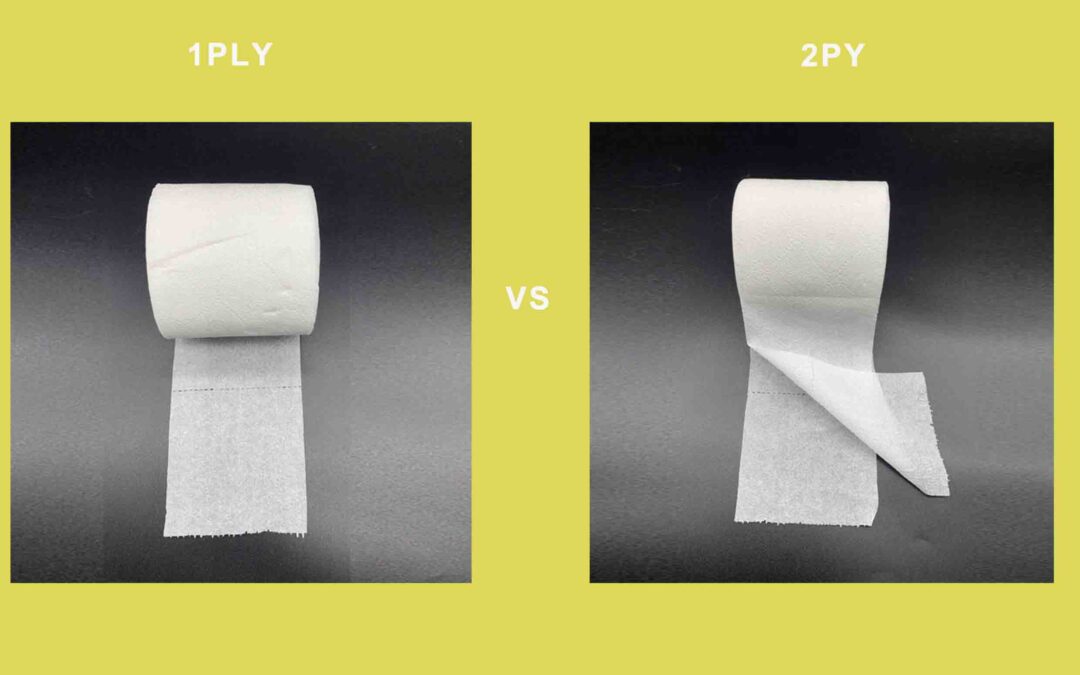
One Ply vs Two Ply Toilet Paper

One Ply vs Two Ply Toilet Paper

When it comes to daily hygiene, toilet paper plays a crucial role. Yet, how often do we consider the quality of this essential product?

The market offers a wide range of options. Among these, 1 ply toilet paper and 2 ply toilet paper are the most common. But what exactly do these terms mean?

In this article, we delve into the world of toilet paper quality. We’ll explore the differences between one ply vs two ply toilet paper. We’ll discuss aspects such as strength, comfort, and value.

Our aim is to help you make an informed decision when purchasing toilet paper. This is particularly useful if you’re interested in high-quality options like zero sievert high-quality toilet paper.

Whether you’re an environmentally conscious consumer or someone with specific hygiene preferences, this guide is for you. We’ll also address the needs of households looking for value purchases.

So, let’s embark on this journey to understand the nuances of toilet paper quality. By the end, you’ll be equipped to choose the best toilet paper for your needs.

The Basics of Toilet Paper: One Ply and Two Ply Explained
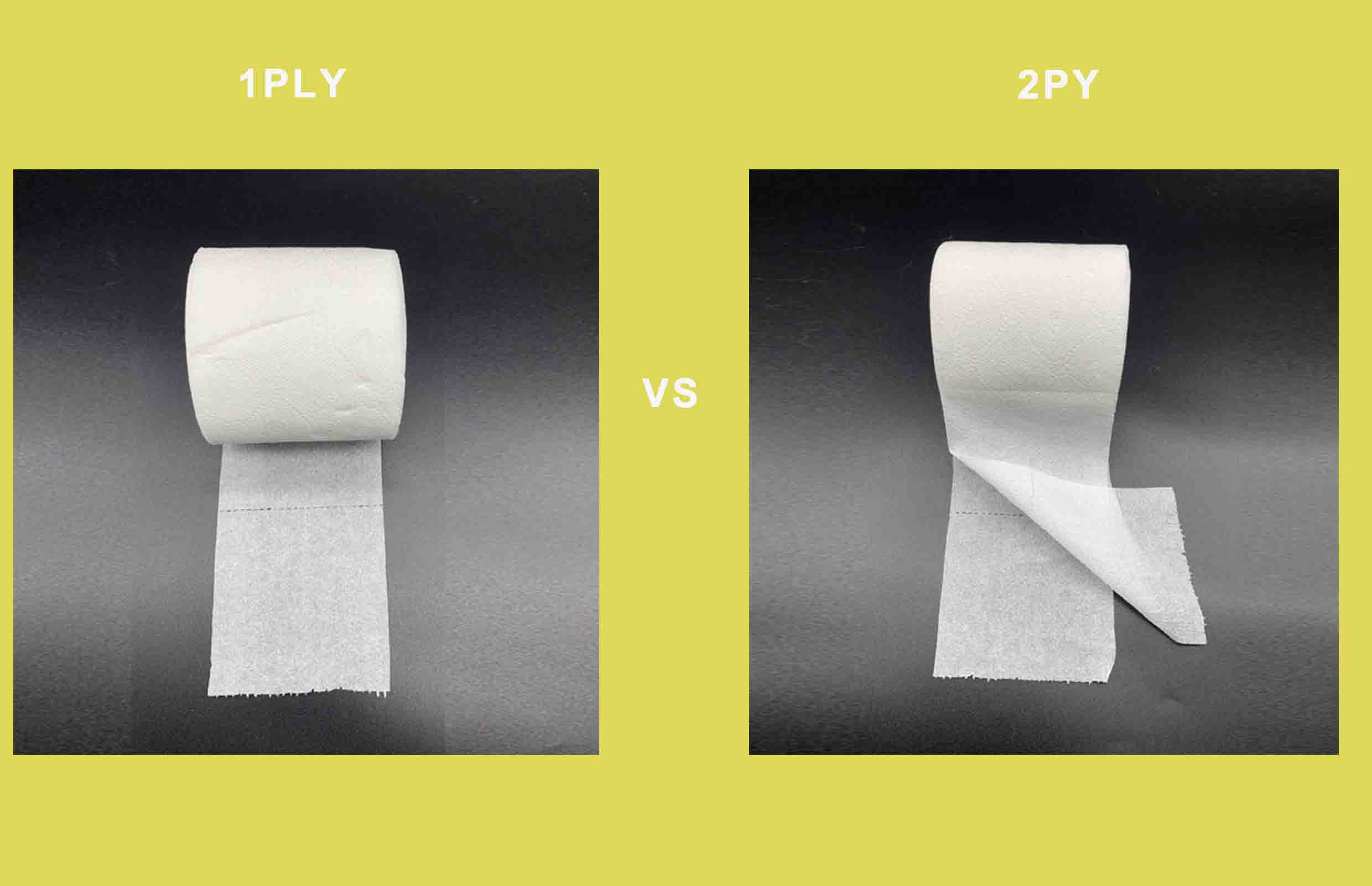
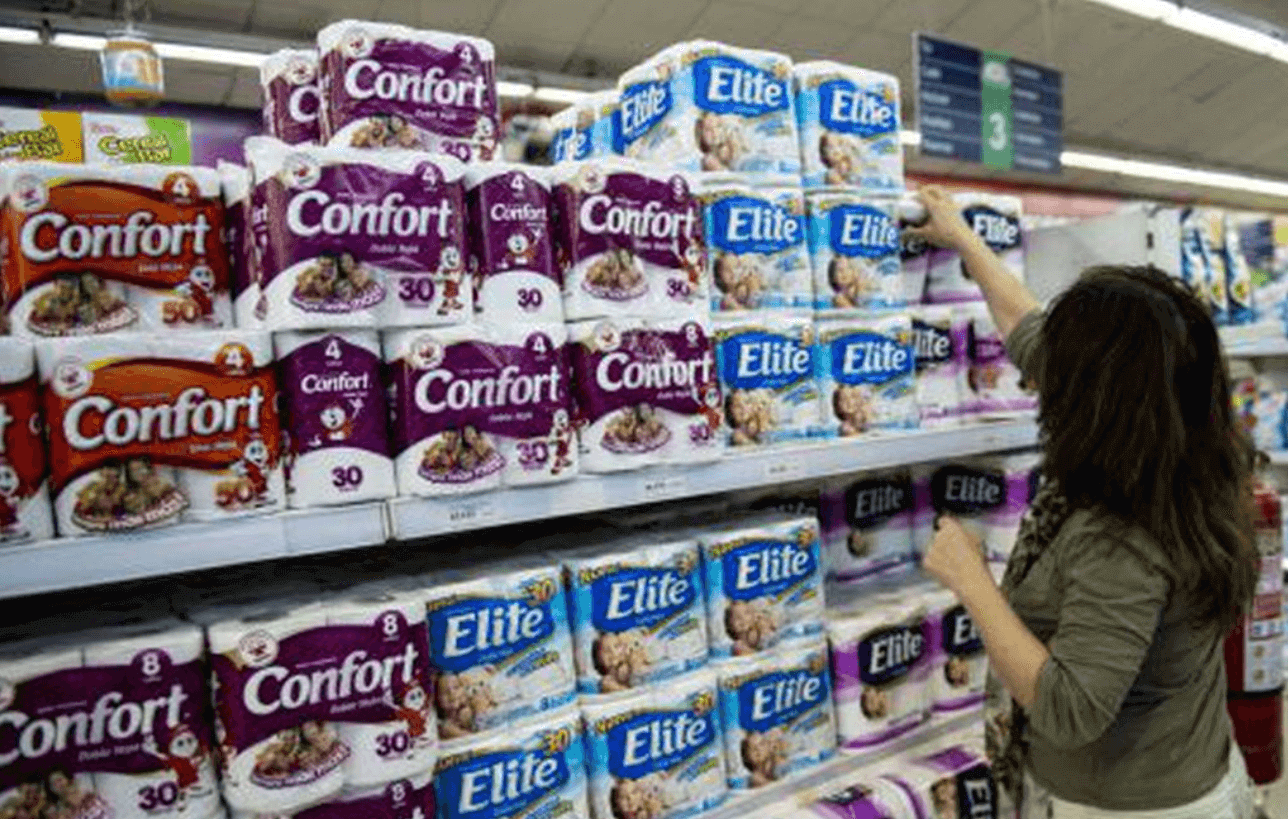
one ply vs two ply toilet paper

1 ply toilet paper vs 2 ply toilet paper is a staple in every household. But what do we mean when we talk about one ply and two ply?

1 ply bath tissue is made of a single layer of paper. It’s typically thinner and less absorbent. However, it’s also less expensive and lasts longer because there are more sheets per roll.Two ply toilet paper, on the other hand, consists of two layers of paper. This makes it thicker, more absorbent, and generally softer. It’s often considered more luxurious, but it’s also more expensive and runs out faster.

The choice between one ply and two ply often comes down to personal preference. Some people prioritize cost-effectiveness and longevity, opting for one ply. Others value comfort and absorbency, choosing two ply.

But how did we end up with these options? Let’s take a brief look at the history of toilet paper.Toilet paper has been around in some form for centuries. However, the product we know today started to take shape in the late 19th century. Early versions were single-ply and often quite rough.

The introduction of two ply toilet paper came much later, in the mid-20th century. This was a game-changer, offering a new level of comfort and softness. Since then, the debate between one ply and two ply has continued.Understanding the basics of one ply and two ply toilet paper is the first step in assessing toilet paper quality. As we’ll see, there’s much more to consider when choosing the best toilet paper for your needs.

The Importance of Ply: Strength, Durability, and Comfort

When it comes to toilet paper, ply count plays a significant role in determining its strength and durability.

One ply toilet paper, due to its single layer, tends to be less strong. It can tear more easily, especially when wet. However, its thinness can also make it less likely to clog toilets, which is a plus for older plumbing systems.

Two ply toilet paper, with its double layer, is generally stronger and more durable. It’s less likely to tear during use, providing a more reliable experience. However, its thickness can potentially lead to more clogs, especially if used in large quantities.

The ply count also affects the texture and comfort of the toilet paper.

One ply toilet paper is often rougher to the touch. While some people don’t mind this, others find it less comfortable for sensitive areas.

Two ply toilet paper, on the other hand, is typically softer and smoother. This can make it more comfortable to use, especially for those with sensitive skin. However, its plushness can sometimes lead to lint residue, which some people find bothersome.

Consumer preferences for softness vary widely.

  • Some people prioritize comfort and are willing to pay more for softer, two ply toilet paper.
  • Others are more concerned with cost and functionality, finding one ply toilet paper perfectly adequate for their needs.

In the end, the importance of ply in terms of strength, durability, and comfort is a matter of personal preference. It’s about finding the right balance that suits your needs and priorities.

Cost and Value: Is More Ply Better?

When considering the cost of toilet paper, it’s important to look beyond the initial price tag.

One ply toilet paper is typically cheaper per roll than two ply. However, because it’s thinner, you might find yourself using more of it. This could potentially offset the initial savings.

Two ply toilet paper, while more expensive upfront, tends to last longer. This is because its thickness often means you use less per visit. Over time, this could result in better value for money.

However, cost isn’t the only factor to consider when evaluating the value of toilet paper.

  • Quality, comfort, and environmental impact are also important considerations.
  • For some, paying a bit more for two ply toilet paper is worth the added comfort and strength.
  • For others, the cost savings and lower environmental impact of one ply toilet paper make it the better choice.

There’s a common misconception that more ply automatically means better quality.

While ply count can influence strength and softness, it’s not the only determinant of quality. The type of fibers used, the manufacturing process, and even the brand can all affect the overall quality of the toilet paper.

In the end, whether more ply is better depends on your individual needs and preferences. It’s about finding the right balance between cost, comfort, and quality.

Environmental Impact: One Ply vs Two Ply Toilet Paper

The environmental impact of toilet paper is a significant concern for many consumers.

One ply toilet paper has a smaller environmental footprint than two ply. This is because it uses less material and requires less energy to produce.

However, the type of materials used can also affect the environmental impact.

  • Toilet paper made from recycled materials is generally more eco-friendly than those made from virgin pulp.
  • This is because the production of recycled toilet paper requires less water and energy, and produces fewer greenhouse gas emissions.

In conclusion, while one ply toilet paper is generally more eco-friendly than two ply, the materials used and the manufacturing process can also significantly affect the environmental impact.

Therefore, when considering the environmental impact of toilet paper, it’s important to look at the whole picture, not just the ply count.

Health and Hygiene: What to Consider When Choosing Toilet Paper

When it comes to health and hygiene, the quality of toilet paper matters.

One key factor to consider is the health of your septic system.

  • 1 ply toilet paper is generally better for septic systems as it breaks down more easily, reducing the risk of clogs.
  • 2 ply toilet paper, while more durable, can take longer to break down and may contribute to septic system issues.

Another important consideration is allergies and sensitivities to toilet paper materials.

Some people may experience irritation or allergic reactions to certain types of toilet paper, particularly those made with harsh chemicals or artificial fragrances.

Therefore, it’s important to choose toilet paper that is free from these potential irritants, especially if you have sensitive skin.

Hypoallergenic and pH-balanced options can be a good choice for those with sensitive skin.

These types of toilet paper are designed to be gentle on the skin, reducing the risk of irritation and discomfort.

In conclusion, when choosing toilet paper, it’s important to consider not only the ply count and cost, but also the potential impact on your health and hygiene.

Zero Sievert High-Quality Toilet Paper: A Case Study

Zero Sievert is a brand that has made a name for itself in the high-quality toilet paper market.

What sets Zero Sievert apart is its commitment to quality and sustainability.

Their toilet paper is made from 100% recycled materials, making it an eco-friendly choice.

In addition, Zero Sievert toilet paper is free from harsh chemicals and artificial fragrances, making it a good choice for those with sensitive skin.

The brand also prides itself on its softness and strength, offering a comfortable and reliable option for consumers.

Consumer reviews for Zero Sievert are generally positive, with many praising its softness, strength, and eco-friendly credentials.

The brand has also been noted for its innovative packaging, which is designed to reduce waste and environmental impact.

In terms of market trends, Zero Sievert is well-positioned.

There is a growing demand for high-quality, eco-friendly toilet paper, and Zero Sievert is meeting this demand with its range of products.

In conclusion, Zero Sievert is a prime example of a brand that is delivering high-quality toilet paper that is not only good for consumers but also good for the environment.

Practical Considerations: Packaging, Roll Size, and Dispenser Compatibility

When choosing between one ply vs two ply toilet paper, practical considerations also come into play.

One of these is packaging.

One ply toilet paper often comes in larger packs due to its thinner sheets. This can be a benefit for those who prefer to buy in bulk.

Two ply toilet paper, on the other hand, usually comes in smaller packs. This can be more convenient for those with limited storage space.

Another consideration is roll size.

  • One ply toilet paper typically has more sheets per roll due to its thinner nature.
  • Two ply toilet paper, while thicker, usually has fewer sheets per roll.

Finally, dispenser compatibility is an important factor.

Some toilet paper dispensers may not accommodate larger or thicker rolls.

Therefore, it’s essential to ensure that your chosen toilet paper is compatible with your dispenser to avoid any inconvenience.

The Verdict: Making an Informed Choice

In conclusion, the choice between one ply vs two ply toilet paper depends on various factors.

These include personal preferences for softness and strength, cost considerations, environmental impact, and practical aspects like packaging and dispenser compatibility.

Ultimately, the best toilet paper for you is the one that meets your specific needs and preferences.

Whether that’s one ply or two ply, the most important thing is that you’re making an informed choice.

Remember, quality doesn’t always mean more plies. It’s about the overall performance and satisfaction that the toilet paper provides.

Frequently Asked Questions

Here are some quick answers to common questions about toilet paper quality.

  • What does ply mean in toilet paper? Ply refers to the number of layers in a sheet of toilet paper. One ply has one layer, while two ply has two layers.
  • Is more ply always better? Not necessarily. More ply often means more strength and softness, but it can also mean more cost and environmental impact.
  • What is zero sievert toilet paper? Zero sievert toilet paper is a high-quality brand known for its strength, softness, and eco-friendly manufacturing practices.
  • How about 2 Ply vs 3 Ply Toilet Paper?
    2-ply toilet paper offers a balance of softness and strength with two layers, making it suitable for everyday use. 3-ply toilet paper adds an extra layer, providing more comfort and absorbency. While 3-ply feels more luxurious, it is often pricier and runs out faster due to its thicker build.
  • How about 2 Ply vs 4 Ply Toilet Paper?
    2-ply toilet paper provides basic softness and durability. 4-ply toilet paper, with four layers, delivers superior comfort and strength, ideal for a premium experience. However, it’s bulkier, costlier, and less practical for frequent use in high-traffic areas.

Conclusion

In the end, the choice is yours. Whether you prefer one-ply vs two-ply toilet paper, remember that the best toilet paper is the one that meets your needs and aligns with your values. Make your choice not just based on cost or brand, but also on quality, comfort, and environmental impact.
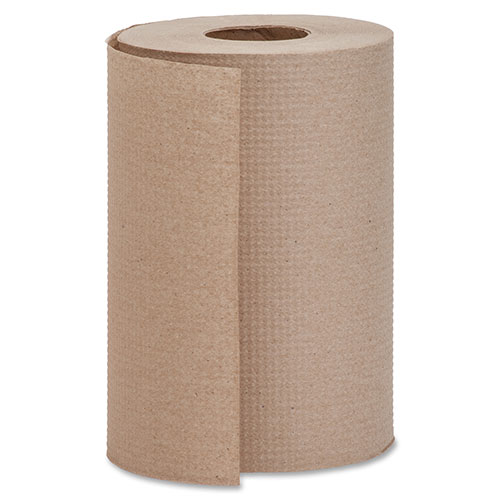
The Impact of Paper Towel Thickness

The Impact of Paper Towel Thickness

In the world of kitchen spills and cleanups, not all paper towels are created equal. The effectiveness of a paper towel largely depends on its thickness, which directly impacts its absorbency. Whether you’re wiping down countertops or dealing with a spilled glass of juice, understanding the relationship between paper towel thickness and its absorbency can be quite enlightening. In this article, we dive into the science of paper towels and unravel the impact of thickness on their performance.

paper towel thickness

paper towel thickness

Why Paper Towel Thickness Matters

Thickness in paper towels is not just about the number of layers, but also the density and the quality of those layers. Thicker paper towels generally have more layers, which means they can absorb more liquid and are also more durable when tackling tougher jobs.

Absorbency: The Key Factor

The primary reason consumers reach for a paper towel is to absorb liquids. Thicker paper towels have a greater capacity to absorb water due to their multi-ply construction. This means they can soak up more liquid before becoming saturated. The absorbency is not only a matter of convenience but also efficiency, as it can reduce the number of sheets you need to use.

Strength and Durability

When paper towels are thicker, they usually possess a higher tensile strength. This makes them less likely to tear or disintegrate when used for scrubbing or when wet. Durability is particularly important when cleaning up messes that require a bit of elbow grease.

The Science Behind Paper Towel Absorbency

Understanding the science behind paper towel absorbency can help you make better choices about which products to use for different tasks.

Capillary Action and Porosity

Paper towels absorb liquids through capillary action, which is the ability of a liquid to flow in narrow spaces without the assistance of external forces. The porosity and the air spaces between the fibers in the paper towel contribute to this action. Thicker paper towels often have more air spaces that allow them to wick up liquids quickly and hold more volume.

The Role of Fiber Quality

Not all fibers are created equal. High-quality fibers can increase the strength and absorbency of paper towels. Thicker paper towels that use better fibers will likely perform better than thinner ones made with lower-quality materials.

Comparing Paper Towel Brands

There’s a reason why paper towel thickness often varies from brand to brand. Some brands focus on creating a thicker, more luxurious feel, while others might emphasize eco-friendliness or cost-effectiveness.

Consumer Preferences

Consumer preferences play a significant role in how brands design their paper towels. While some consumers might prioritize thickness for its absorbency and strength, others might look for a balance between performance and price.

Paper Towel Thickness and the Environment

It’s important to consider the environmental impact of paper towel usage. Thicker paper towels might be more absorbent, but they also use more resources to produce. Many brands are now offering eco-friendly options that are both absorbent and sustainable.

Paper Towel Thickness NYT: A Case Study

An interesting case study is the analysis conducted by The New York Times, which often includes consumer product testing. In these tests, paper towels are evaluated based on various criteria, including thickness, to determine overall performance and value.

Innovation in Paper Towel Technology

Paper towel manufacturers are constantly striving to improve the performance of their products without compromising on sustainability.

Advanced Manufacturing Techniques

New manufacturing techniques have allowed for stronger, more absorbent paper towels that don’t necessarily have to be thicker. These advancements can involve the way the fibers are woven or the materials used in the process.

Balancing Thickness with Eco-Friendliness

Innovation isn’t just about performance; it’s also about reducing environmental impact. Brands are finding ways to maintain or even enhance absorbency while using recycled materials or reducing the overall thickness of their paper towels.

Best Practices for Using Paper Towels

Using paper towels effectively can help reduce waste and save money. Here are some best practices to keep in mind.

Selecting the Right Towel for the Job

Not every spill requires the thickest paper towel available. Sometimes, a thinner option will do the trick, especially for small or easy-to-clean spills.

Reducing Paper Towel Waste

Be mindful of the number of paper towels you use. Often, a single sheet, properly folded to maximize its surface area, is enough to handle a spill.

Alternatives to Paper Towels

Consider using reusable cloths or sponges for certain tasks to reduce reliance on disposable paper towels. This not only saves money but also is better for the environment.

The Future of Paper Towels

Looking ahead, the paper towel industry is likely to continue evolving with a focus on sustainability and innovation.

Sustainable Materials and Production

The use of bamboo, sugarcane, and other sustainable materials is on the rise. These materials can be used to create paper towels that are both absorbent and eco-friendly.

Technological Advancements

With ongoing research and development, we can expect to see even more efficient manufacturing processes and innovative materials that improve the performance of paper towels.

Conclusion: The Delicate Balance of Paper Towel Thickness

The thickness of paper towels plays a crucial role in their performance. While thicker towels generally offer better absorbency and durability, there is a delicate balance to be struck between effectiveness, cost, and environmental considerations.

Understanding the impact of paper towel thickness helps consumers make informed choices about the products they use for everyday cleanups. As the industry continues to innovate, we can look forward to paper towels that are not only effective but also environmentally responsible.

In summary, the next time you’re faced with a spill, consider the impact of paper towel thickness on your cleanup efforts. Whether you opt for a thicker, more absorbent towel or a thinner, more eco-friendly option, knowing the science behind your choice can lead to a more effective and conscientious approach to household cleaning.

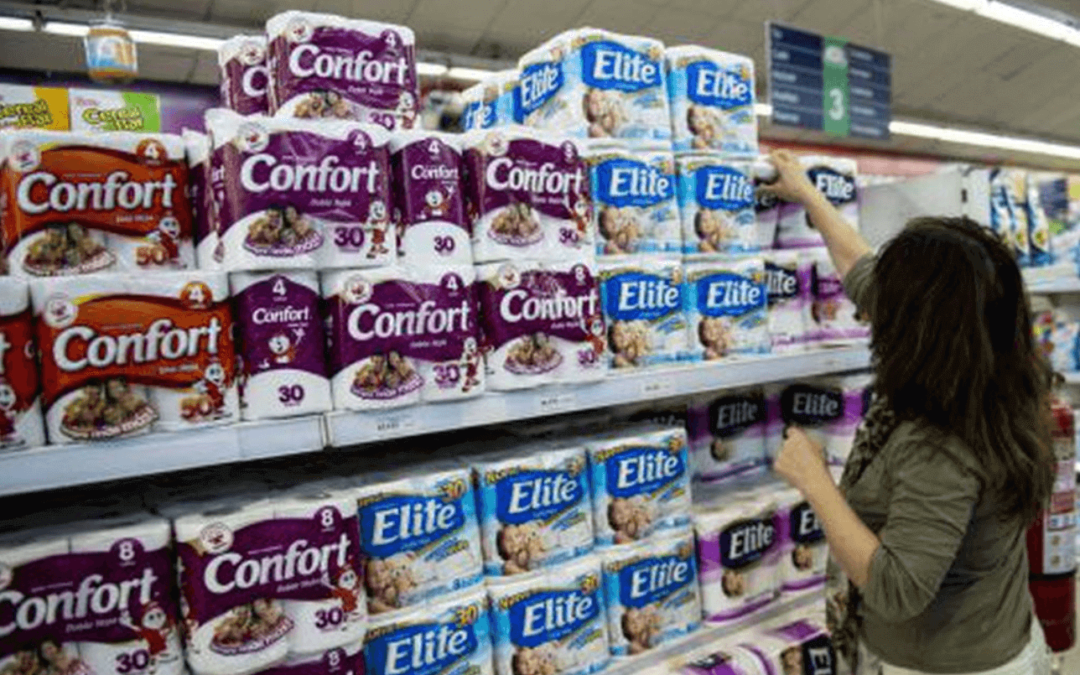
Where to buy bulk toilet paper better?

Where to buy bulk toilet paper better?

Bulk toilet paper shopping can be a game-changer.

It’s not just about the convenience of having a steady supply.

It’s also about cost-effectiveness and reducing the frequency of shopping trips.

But where do you find the best deals? How do you ensure you’re getting quality products?

This guide will answer these questions and more.

bulk toilet paper

bulk toilet paper

Understanding Bulk Toilet Paper Shopping

Bulk toilet paper shopping is more than just buying large quantities.

It’s about making smart, informed decisions.

You need to consider factors like cost, quality, and storage.

You also need to understand the difference between consumer and commercial-grade toilet paper.

And you need to weigh the pros and cons of online vs. offline shopping.

  • Key considerations for bulk toilet paper shopping:
  • Cost
  • Quality
  • Storage
  • Type of toilet paper
  • Shopping platform

Benefits of Buying in Bulk

Buying toilet paper in bulk has several benefits.

First, it can save you money.

Bulk purchases often come at a lower cost per unit.

Second, it can save you time.

You make fewer trips to the store.

Storage Considerations for Bulk Purchases

But bulk purchases also require storage space.

You need to ensure you have enough room at home or in your business premises.

Consider the size and number of the toilet paper rolls.

Also, think about the conditions of your storage area.

It should be dry to prevent the toilet paper from getting damp.

Where to Find Bulk Toilet Paper

There are many places to buy bulk toilet paper.

Both online and offline retailers offer bulk options.

You can find bulk toilet paper in supermarkets, wholesale clubs, and direct from manufacturers.

Online marketplaces like Amazon also offer bulk options.

Online Retailers vs. Brick-and-Mortar Stores

Both online and offline retailers have their pros and cons.

Online shopping offers convenience and often a wider selection.

But offline shopping allows you to physically assess the product.

You can feel the texture and thickness of the toilet paper.

You can also avoid shipping costs with offline shopping.

Top Retailers for Bulk Toilet Paper

There are several top retailers for bulk toilet paper.

These include Costco, Sam’s Club, and Amazon.

  • Costco
  • Sam’s Club
  • Amazon

Each retailer offers different brands, prices, and quantities.

It’s important to compare options to find the best deal.

Making the Right Choice

Choosing the right bulk toilet paper involves several factors.

You need to consider the quality, price, and your specific needs.

Quality can be assessed by factors like ply, sheet count, and softness.

Price should be evaluated on a per-sheet basis for a fair comparison.

Your specific needs might include environmental considerations, allergies, or septic safety.

Ply and Sheet Count: What You Need to Know

Ply refers to the number of layers in the toilet paper.

More ply usually means more comfort and strength.

Sheet count refers to the number of sheets per roll.

A higher sheet count can mean better value for money.

But remember, quality matters as much as quantity.

Environmental and Health Considerations

Some toilet papers are made from recycled materials.

These are more environmentally friendly but might be less soft.

There are also hypoallergenic and unscented options for those with sensitivities.

Septic safety is another important consideration.

Some toilet papers are specifically designed to be septic safe.

Maximizing Your Bulk Toilet Paper Purchase

To get the most out of your bulk toilet paper purchase, plan ahead.

Consider your storage space and usage rate.

Buying too much can lead to storage issues and potential waste.

On the other hand, buying too little can lead to frequent shopping trips.

Striking the right balance is key.

Price Comparison and Calculating Cost-Effectiveness

Comparing prices can help you find the best deal.

But remember to compare on a per-sheet basis.

This gives a more accurate picture of the value you’re getting.

Here’s a simple way to do it:

  1. Divide the total price by the total number of sheets.

This gives you the cost per sheet, which you can use to compare different options.

Deals, Discounts, and Subscription Services

Look out for deals and discounts when shopping for bulk toilet paper.

Some stores offer lower prices for larger quantities.

Others might have sales or coupons available.

Subscription services can also be a good option.

They offer convenience and sometimes even additional savings.

Conclusion

Bulk toilet paper shopping can be a smart move. It saves money, time, and can be more convenient.

However, it’s important to consider factors like storage, cost per sheet, and environmental impact. Happy bulk shopping!

Better Benefits of Using cost-effective large toilet paper roll

Better Benefits of Using cost-effective large toilet paper roll

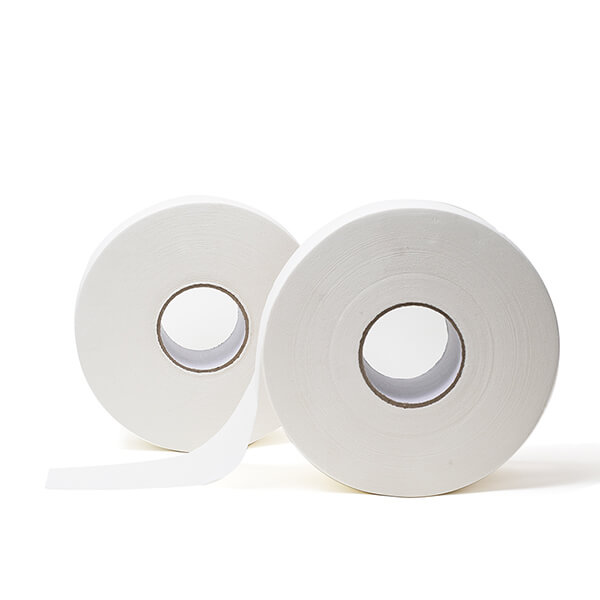
large toilet paper roll

large toilet paper roll

In the world of hygiene products, large toilet paper roll is a game-changer. They offer more paper per roll, making them a practical choice for many.

Ideal for high-traffic restrooms, these large rolls reduce the need for frequent replacements. This saves time and labor costs, especially in commercial settings.

But the benefits don’t stop there. Jumbo rolls are also an eco-friendly option, often coming with less packaging and fewer cores to dispose of.

In this article, we’ll delve into the many advantages of using large toilet paper roll. Whether you’re a business or a consumer, you’ll find valuable insights to guide your purchasing decisions.

Cost-Effectiveness and Bulk Purchasing

Large toilt paper rolls are a cost-effective choice. Their larger size means you get more paper for your money.

Bulk purchasing options further enhance this cost-effectiveness. Buying in large quantities often leads to significant savings.

Here are some key points to consider:

  • large toilet paper roll reduce the frequency of replacements, saving on labor costs.
  • Bulk purchasing can lead to better pricing, especially when sourced directly from toilet tissue manufacturers.
  • Fewer replacements mean less time spent on restocking, leading to increased operational efficiency.

In the long run, these factors can result in substantial savings for businesses and consumers alike.

Enhanced Efficiency for High-Traffic Restrooms

High-traffic restrooms require efficient solutions. Jumbo toilet paper rolls are ideal for such settings.

They last longer than standard rolls, reducing the frequency of changes. This is crucial in busy environments like malls, schools, and airports.

Key points to note include:

  • Jumbo rolls help prevent run-outs, maintaining customer satisfaction.
  • They are suitable for both manual and automatic dispensers, offering flexibility.
  • Using jumbo rolls can lead to a cleaner and more organized restroom environment.

In essence, jumbo rolls can significantly enhance the efficiency of high-traffic restrooms.

Eco-Friendly and Waste Reduction

Jumbo toilet paper rolls are an eco-friendly choice. They often come with reduced packaging, which means less waste.

Moreover, they have fewer cores to dispose of. Some jumbo rolls are even made from recycled materials.

Key points to note include:

  • Jumbo rolls can be part of a company’s sustainability program.
  • They may come with coreless options, further reducing waste.
  • Using jumbo rolls can contribute to achieving LEED certification by reducing operational waste.

In short, jumbo rolls are a green choice that helps reduce waste.

Customization and Variety

Jumbo toilet paper rolls offer a range of options. They are available in various ply options, textures, and even quick-dissolving formulas.

This allows for customization based on preference and need. Whether you prefer ultra-soft or more economical options, there’s a jumbo roll for you.

Key points to note include:

  • Jumbo rolls are available in 1-ply, 2-ply, and sometimes 3-ply varieties.
  • They come in different textures, from ultra-soft to more economical options.
  • Some jumbo toilet paper rolls feature quick-dissolving formulas, suitable for septic systems.

In essence, jumbo rolls offer a balance between comfort and practicality.

Hygiene and User Experience

Jumbo toilet paper rolls contribute to a cleaner and more organized restroom environment. They are compatible with specially designed dispensers that protect the paper and ensure hygiene.

Moreover, they are often more durable and less prone to tearing. This provides a better user experience, crucial for maintaining customer satisfaction in commercial environments.

Key points to note include:

  • Jumbo rolls are suitable for use in both manual and automatic dispensers.
  • They are often more durable and less prone to tearing.
  • Using jumbo rolls can contribute to a cleaner and more organized restroom environment.

Sourcing Large Toilet Paper Roll from Suppliers and Manufacturers

Large toilet paper roll can be sourced directly from toilet tissue manufacturers. This allows for better pricing and a wider variety of product options.

Purchasing large toilet paper rolls from a reliable supplier ensures consistent quality and supply.

Key points to note include:

  • Large toilet paper roll can be sourced directly from toilet tissue manufacturers for better pricing and product variety.
  • Purchasing large toilet paper rolls from a reliable supplier ensures consistent quality and supply.

Conclusion: The Smart Choice for Businesses and Consumers

In conclusion, jumbo toilet paper rolls offer a balance between comfort and practicality. They are a versatile choice for various settings, from high-traffic commercial establishments to households.

Choosing jumbo rolls can be a part of a business’s cost-saving measures without compromising on quality. For consumers, it’s a smart choice that combines convenience, cost-effectiveness, and eco-friendliness.


The History of Cocktail Napkins

The History of Cocktail Napkins

Cocktail napkins have become a staple at festive gatherings and posh parties alike. Often overlooked, these small squares of paper hold a history as rich and varied as the cocktails they accompany. From their origins to becoming a Christmas holiday favorite, let’s unfold the story of cocktail napkins and how they’ve become an essential part of our celebratory traditions.

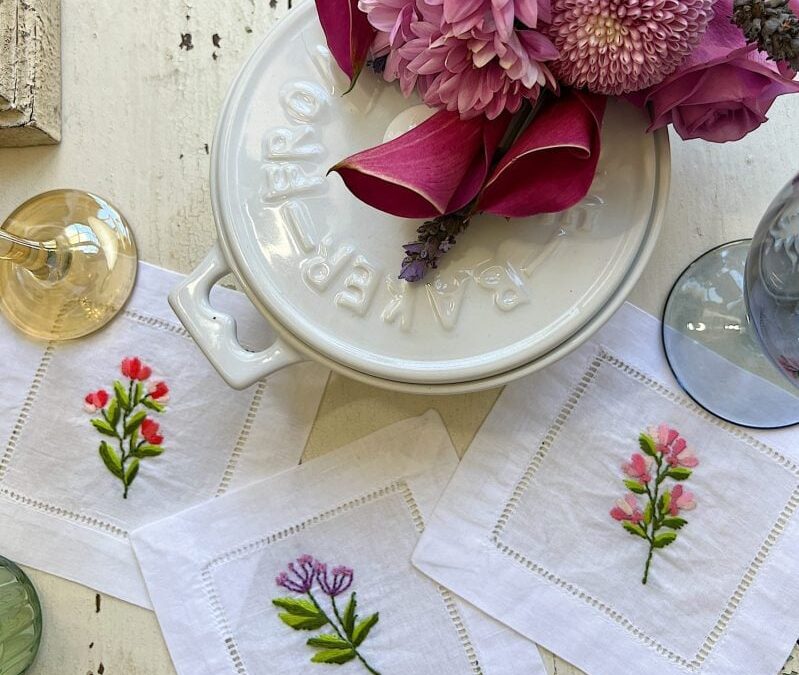
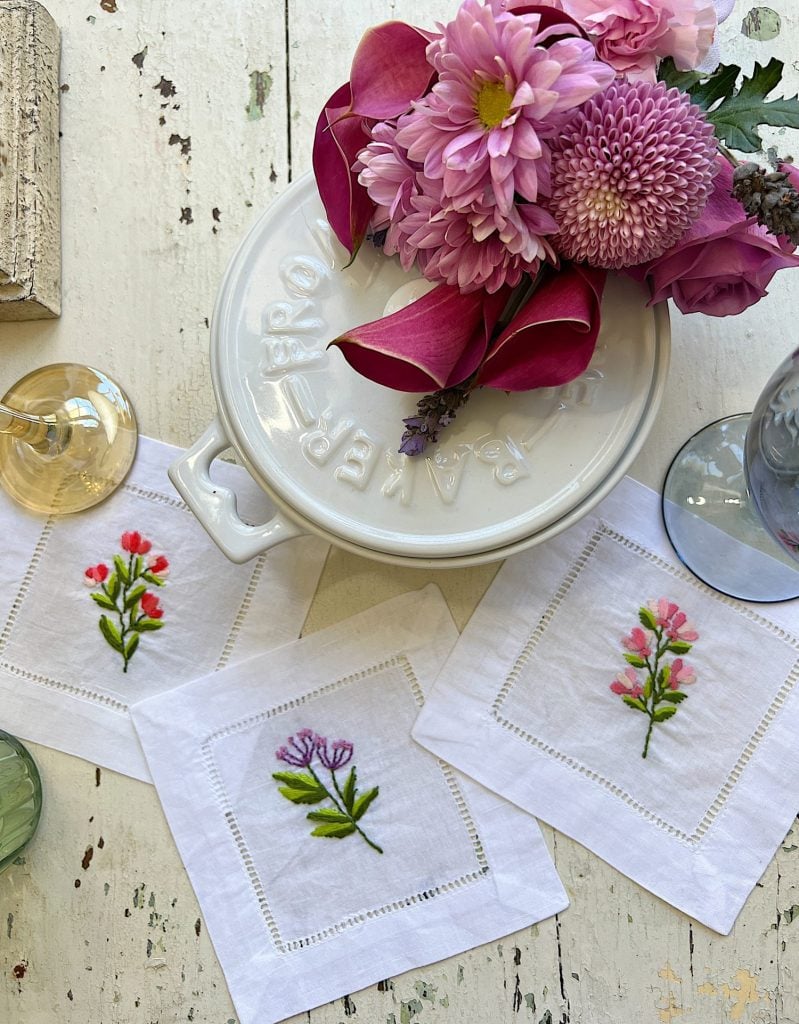
history of cocktail napkins

history of cocktail napkins

Origins of the Cocktail Napkin

The cocktail napkin’s journey began in the 1920s during the Prohibition era. As the popularity of speakeasies rose, so did the need for a convenient way to protect patrons’ clothing from spills. It was during this time that the first cocktail napkins appeared, offering a simple solution to a practical problem. Initially, they were plain and purely functional, but as cocktail culture evolved, so did the design and purpose of these napkins.

The Rise of Paper Napkins

With the repeal of Prohibition in the 1930s, the cocktail napkin’s evolution continued. The introduction of paper napkins came about as a cost-effective alternative to their cloth counterparts. They were easy to dispose of and didn’t require laundering, making them ideal for bars and restaurants. By the mid-20th century, cocktail napkins had become not just a necessity, but a canvas for art and advertising, with establishments branding them with logos and catchy slogans.

Cocktail Napkins as a Canvas

The 1950s and 1960s saw a boom in cocktail culture, and with it, the cocktail napkin turned into a small piece of art. Designs became more intricate, featuring everything from kitschy illustrations to sophisticated monograms. This was also the era when personalized cocktail napkins became popular for private events, such as weddings and anniversary parties. The cocktail napkin had moved beyond its utilitarian origins to become a keepsake.

Christmas Cocktail Napkins Paper

As cocktail napkins gained popularity, they naturally became a part of holiday celebrations. Christmas cocktail napkins paper, in particular, became a festive trend. Adorned with holiday motifs such as snowflakes, holly, and Santa Claus, these napkins add a touch of seasonal cheer to any holiday event. Christmas cocktail paper napkins are now a common sight at office parties, family gatherings, and Christmas-themed bars.

A Seasonal Tradition

The tradition of using special cocktail napkins for Christmas has grown over the years. They not only serve a practical purpose but also contribute to the holiday decor, complementing table settings and themes. Whether they’re whimsical or elegant, Christmas cocktail paper napkins are a small detail that can make a big impact on the holiday spirit.

Today’s Cocktail Napkins Paper

In today’s market, cocktail napkins paper come in an array of designs and materials, catering to every possible theme and occasion. They are eco-friendlier than ever, with many companies offering biodegradable and recycled options. Despite their humble beginnings, cocktail napkins have secured their spot in social etiquette, proving that even the smallest details can carry a rich history and significance.

Whether used for practicality, branding, or festivity, the cocktail napkin’s story is one of adaptation and celebration. The next time you set down your drink on one of these paper squares, remember the history it embodies and the traditions it continues to uphold.