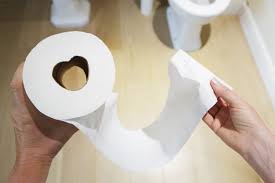
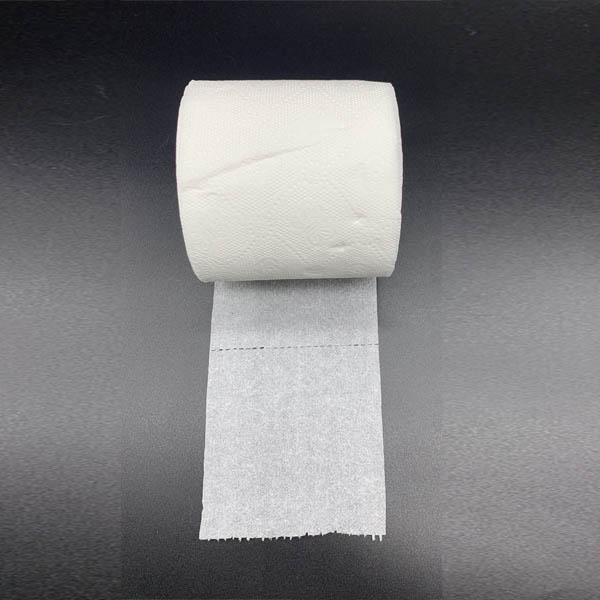
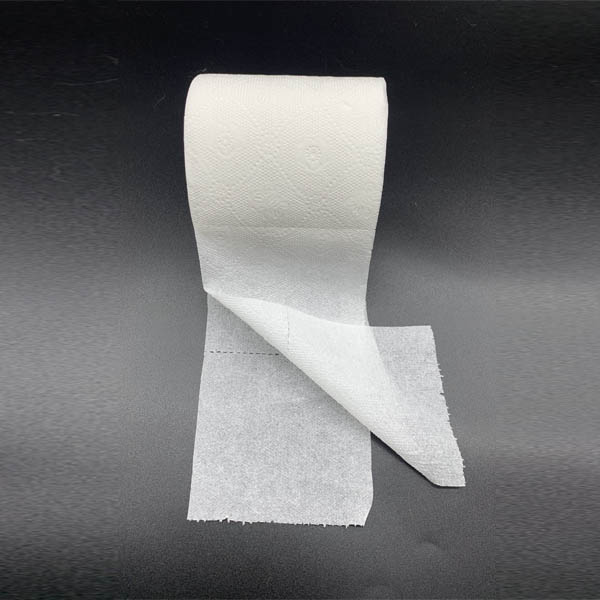
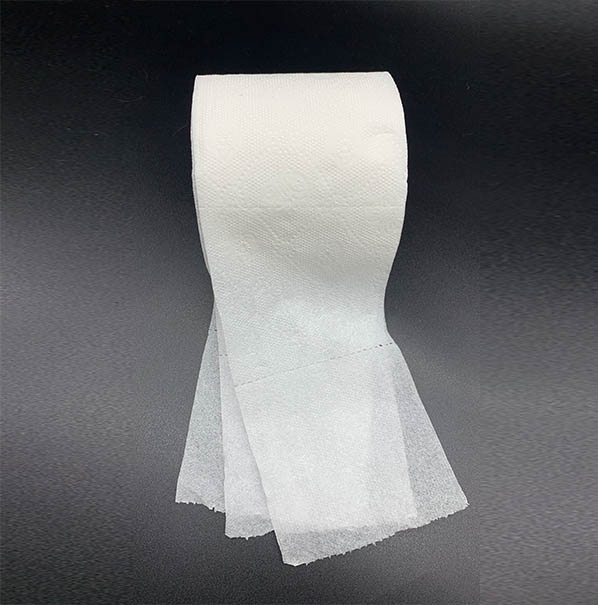
When we flush the toilet, most of us don’t think twice about what happens to the toilet paper once it swirls out of view. Yet, the question remains: Does toilet paper dissolve properly? Understanding the breakdown process of toilet paper is essential for both homeowners and environmental enthusiasts alike. In this article, we will delve into how toilet paper dissolves, the factors that influence its dissolution, and some best practices for ensuring your toilet paper doesn’t cause any unwanted problems.
Understanding Toilet Paper Dissolution
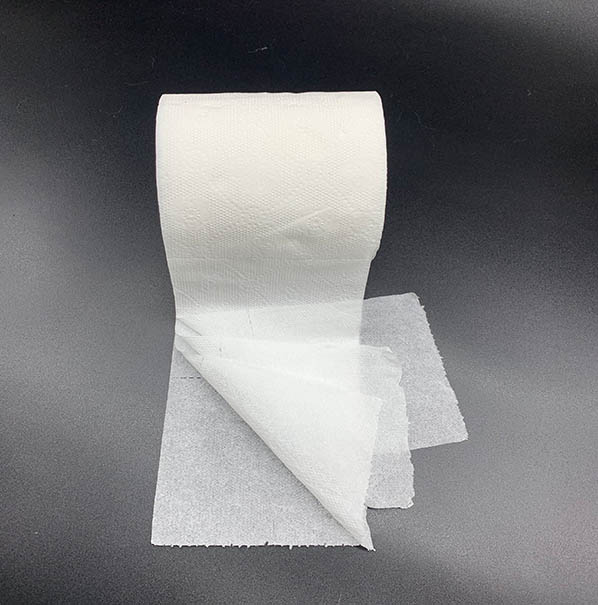
The primary purpose of toilet paper is to provide hygiene after using the restroom. However, it’s also designed to disintegrate in water, especially dissolving toilet tissue, which is formulated to break down more efficiently. This is crucial, as undissolved toilet paper can lead to clogged pipes, septic system issues, and environmental concerns.
How Long Does It Take for Toilet Paper to Dissolve?
The dissolution rate of toilet paper depends on several factors, including the type of paper, the amount of water, and the conditions within the sewage system. Typically, standard toilet paper takes a few minutes to several hours to break down in water. Some brands may dissolve faster than others, especially those labeled as “septic-safe” or “quick-dissolving.”
The Science Behind the Process
Toilet paper is made from cellulose fibers that are designed to lose their bonding and fall apart when wet. This process is aided by the mechanical action of flushing, which agitates the toilet paper and water, helping it to dissolve more effectively.
Factors Affecting Toilet Paper Dissolution
Not all toilet paper is created equal, and various types, such as dissolving toilet tissue, can have different effects on your plumbing and the environment.
The Role of Ply and Texture
The number of plies (or layers) in toilet paper can influence how quickly it dissolves. Single-ply toilet paper usually dissolves faster than multi-ply options due to its thinner construction. The texture also plays a role; for instance, quilted or ultra-soft varieties may take longer to break down compared to standard ones.
Septic Systems vs. Sewer Systems
How long it takes for toilet paper to dissolve can also depend on whether it’s being flushed into a septic tank or a municipal sewer system. Septic systems are more sensitive and require toilet paper that dissolves easily to prevent blockages and maintain a healthy balance of bacteria.
Environmental Conditions
The temperature and pH level of the water can affect the dissolution rate of toilet paper. Warmer water can accelerate the process, while colder water may slow it down. Similarly, the pH level can impact how quickly the cellulose fibers disintegrate.
How Long Does It Take Toilet Paper to Dissolve?
To get a clearer picture, let’s explore the timeline for toilet paper dissolution.
Immediate to Several Hours After Flushing
Upon flushing, toilet paper begins to absorb water and break apart. The time it takes to dissolve varies, but most standard toilet papers start to disintegrate within a few minutes to a couple of hours.
Long-Term Impacts on Plumbing
If toilet paper doesn’t dissolve properly, it can accumulate and lead to clogged pipes or a backed-up septic system over time. It’s essential to use toilet paper that matches the capabilities of your plumbing system to avoid these issues.
Best Practices for Toilet Paper Use
While it’s important to choose the right toilet paper, how you use it also matters. Here are some tips to prevent plumbing problems and ensure your toilet paper dissolves correctly.
Moderation Is Key
Using too much toilet paper at once can hinder its ability to dissolve. Be mindful of the amount you use per flush to avoid creating potential blockages.
Flush Responsibly
Avoid flushing anything other than human waste and toilet paper. Items like wipes, feminine hygiene products, and paper towels are not designed to dissolve like toilet paper and can cause significant issues in your plumbing.
Choose the Right Toilet Paper
When selecting toilet paper, consider your plumbing system’s needs. If you have a septic system, opt for septic-safe brands that are known to dissolve quickly and efficiently.
Myths and Misconceptions
There are many myths surrounding toilet paper and its impact on plumbing systems. Let’s debunk a few common misconceptions.
All Toilet Paper Dissolves the Same
The truth is, not all toilet paper is created equal, and different brands and types will dissolve at different rates.
Flushing More Water Helps Toilet Paper Dissolve
While it may seem logical that more water would help toilet paper dissolve, excessive flushing can actually waste water and may not solve the problem if the toilet paper is already resistant to breaking down.
Eco-Friendly Toilet Paper Doesn’t Dissolve Well
Many people believe that eco-friendly or recycled toilet paper won’t dissolve as effectively. However, many environmentally conscious brands have optimized their products to dissolve just as well as traditional options.
Conclusion: The Importance of Choosing the Right Toilet Paper
In conclusion, toilet paper does dissolve in water, but how long it takes and how well it dissolves depends on various factors. By understanding the factors that affect dissolution and following best practices for use, you can prevent plumbing issues and contribute to a healthier environment.
Choosing the right toilet paper for your home and using it responsibly are simple steps that can have a significant impact. Whether you’re concerned about your plumbing, septic system, or environmental footprint, paying attention to the type of toilet paper you use and how you use it is essential.
For those looking to ensure their toilet paper dissolves properly while also being mindful of their environmental impact, consider exploring septic-safe, quick-dissolving, and eco-friendly options. With the right knowledge and choices, you can maintain the integrity of your plumbing system and contribute to a more sustainable future.
When it comes to toilet paper, not all rolls are created equal. The “ply” of toilet paper refers to the number of layers each sheet contains. Options range from the ultra-thin 1 ply to the luxurious and thick 4 ply, and even beyond. But what exactly does ply mean, and how does it affect your bathroom experience? In this article, we will delve into the details of toilet paper ply, including how many ply of toilet paper are available, its types, and how to choose the best option for your comfort and needs.
What Does Ply Mean in Toilet Paper? How many ply of toilet paper?
Ply refers to the number of layers that make up each sheet of toilet paper. The ply number can influence both the texture and the strength of the toilet paper. A higher ply count typically means a thicker and more absorbent sheet, which can provide a more comfortable and luxurious experience. However, it’s not just about comfort; the ply can also impact the functionality and environmental impact of the toilet paper.
1 Ply Toilet Paper
1 ply toilet paper
1 ply toilet paper is the simplest form of toilet paper and consists of a single layer of tissue. It is often considered to be the most economical and environmentally friendly option since it uses less material and typically breaks down more easily in septic systems. However, because it’s thinner, you might end up using more sheets per use, which can negate some of the cost and environmental benefits.
2 Ply Toilet Paper
2 ply toilet paper
2 ply toilet paper is a step up in both comfort and durability. With two layers of tissue, it’s stronger and more absorbent than 1 ply, without being too thick or luxurious. This type of toilet paper strikes a balance between strength and cost-effectiveness, making it one of the most popular choices for both households and commercial establishments.
3 Ply Toilet Paper
3 ply toilet paper
3 ply toilet paper adds an additional layer of tissue, further increasing the softness and absorbency. This type is often marketed as a premium option, offering a more comfortable experience. If you’re looking for a bit of extra pampering without going all out, 3 ply toilet paper could be the ideal choice.
4 Ply Toilet Paper
4 ply toilet paper
4 ply toilet paper is considered the highest standard of comfort when it comes to toilet tissue. It’s the thickest and most absorbent option, providing a plush, cushioned feel. While it’s undeniably luxurious, it’s also the most expensive and may not be necessary for everyday use. Additionally, the thicker material may take longer to break down in septic systems, which is an important consideration for those with sensitive plumbing.
Types of Toilet Paper Ply
Beyond the standard 1 to 4 ply options, there are a variety of toilet paper types designed to meet specific preferences and needs.
What Is the Thickest Ply of Toilet Paper?
While 4 ply toilet paper is typically considered the thickest standard ply available, some manufacturers have experimented with even higher ply counts. However, these are not common and are often more of a novelty than a practical, everyday product.
Eco-Friendly Options
In recent years, there has been a growing interest in eco-friendly toilet paper options. These products focus on using sustainable materials, such as bamboo or recycled paper, and minimizing the environmental impact of production and disposal. Eco-friendly toilet paper can come in various ply counts, allowing consumers to choose a product that aligns with their environmental values without compromising on comfort.
Scented and Lotion-Infused Toilet Paper
Some toilet paper brands offer scented or lotion-infused options, which can provide a more pleasant experience or help soothe sensitive skin. These specialty products are typically available in higher ply counts, such as 3 or 4 ply, to better hold the added fragrances or lotions.
How to Choose the Right Ply for You
Choosing the right ply of toilet paper often comes down to personal preference and priorities. Here are some factors to consider when making your selection:
Comfort: If comfort is your top priority, you may want to opt for a higher ply count, like 3 or 4 ply.
Cost: For those on a budget, 1 or 2 ply toilet paper might be more cost-effective.
Environmental Impact: Environmentally conscious consumers may prefer 1 ply toilet paper made from recycled or sustainable materials.
Septic System Compatibility: If you have a sensitive septic system, it’s crucial to choose a toilet paper that breaks down easily, typically a 1 or 2 ply option.
The Debate Over Toilet Paper Ply
While some people swear by the softness of higher ply toilet paper, others argue that it’s an unnecessary luxury. The debate often revolves around the balance between comfort, cost, and environmental impact. Ultimately, the “best” toilet paper ply is subjective and depends on individual preferences and circumstances.
Conclusion
The ply of toilet, from the basic 1 ply to the plush 4 ply, offers a range of experiences for consumers. When deciding which toilet paper to buy, consider factors like comfort, cost, environmental concerns, and septic system requirements. While there is no one-size-fits-all answer to the question of the perfect toilet paper ply, understanding the differences can help you make an informed decision that suits your specific needs.
Remember, the next time you’re in the toilet paper aisle, take a moment to think about the ply and what it means for you. Whether you choose the economical 1 ply or indulge in the luxury of 4 ply, your choice will impact your comfort and potentially the environment.
By being informed about the ply of toilet paper, you can ensure that your bathroom experience is exactly as you like it, without any surprises. So, don’t underestimate the power of ply—it’s a small detail that can make a big difference in your daily routine.
If you are looking to purchase toilet paper in bulk at a discounted price or want to create your own branded toilet paper, feel free to contact us. Anmay Paper is a professional toilet paper supplier based in Guangdong, China, with twenty years of experience in exporting toilet paper. Let us know your requirements, and we will provide you with the most effective solutions. ( anmaypaper@anmaray.com)
Selecting the right napkin size can be surprisingly important when planning an event or stocking your restaurant. Paper napkins come in various sizes, each suitable for different occasions and purposes. Understanding napkin measurements can help you make a more informed decision that will not only save you money but also enhance your guests’ dining experience. In this guide, we’ll break down the common napkin sizes and their ideal uses.
Understanding Napkin Measurements
Before diving into the specifics, it’s crucial to understand how napkin measurements work. Typically, the size of a napkin is referred to by its full, unfolded dimensions. Most paper napkins come pre-folded, so the measurements you see on a package will represent the total size when the napkin is completely open.
Cocktail Napkins
The smallest in the lineup, cocktail napkins usually measure around 5 inches by 5 inches when folded and 10 inches by 10 inches when unfolded. These napkins are perfect for drinks, appetizers, or any event where guests will be standing and mingling, like a cocktail party or a casual get-together.
Luncheon Napkins
Luncheon napkins are a step up in size and typically measure 6.5 inches by 6.5 inches folded and 13 inches by 13 inches unfolded. They are a versatile choice that works well for less formal lunches, birthday parties, or corporate events.
Dinner Napkins
Dinner napkins are larger and offer more coverage for guests. They usually measure 8 inches by 8 inches folded and 16 inches by 16 inches when unfolded. Dinner napkins are suitable for sit-down meals and can add a touch of elegance to your dinner table setting.
Buffet Napkins
Buffet napkins are similar in size to dinner napkins but are often slightly larger to accommodate the variety of foods typically found at a buffet. Measuring around 8.5 inches by 8.5 inches folded and 17 inches by 17 inches unfolded, these napkins provide ample space for guests to use throughout their meal.
Choosing the Right Size
napkin measurements
by Brooke Lark (https://unsplash.com/@brookelark)
When selecting the appropriate napkin size, consider the nature of your event and the types of food being served. Cocktail napkins are great for light snacks and drinks, while luncheon napkins are well-suited for midday meals. For formal dinners or buffets with a wider range of dishes, opt for dinner or buffet napkins.
Customization and Branding
In addition to selecting the right size, customizing your napkins with a logo or event-specific design can enhance your brand or add a personal touch to your celebration. Custom napkins can leave a lasting impression and contribute to the overall aesthetic of your event.
Napkin Folding Techniques
The way you fold your napkins can also impact their presentation and functionality. There are numerous folding techniques ranging from simple and classic to intricate and decorative. Choosing the right fold can complement your event’s theme and add an extra layer of sophistication to your table setting.
In conclusion, choosing the correct napkin size is more than just a practical decision; it’s an opportunity to elevate your guests’ dining experience. Keep these tips in mind when planning your next event to ensure your napkins are not only functional but also a memorable part of the occasion.
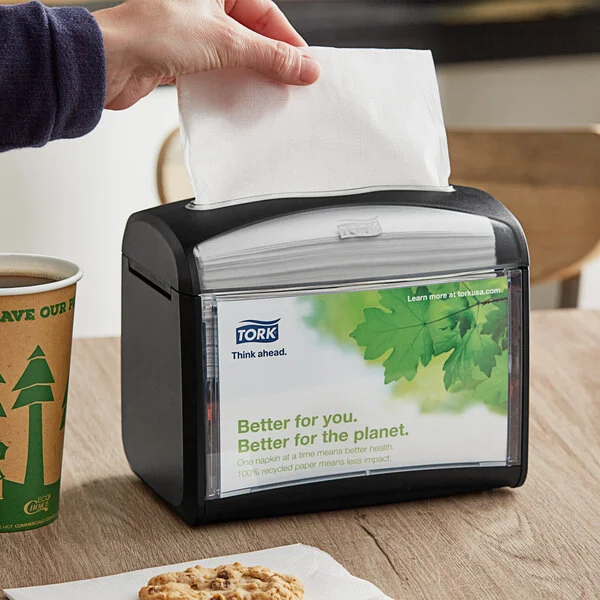
In the bustling world of food service and hospitality, efficiency and presentation go hand-in-hand. This is where Xpressnap systems come into the spotlight. As an innovative solution by Tork, Xpressnap napkin dispensers are designed not just to hold napkins, but to elevate the customer experience while providing practical benefits to businesses. Let’s explore the advantages of incorporating Xpressnap into your establishment.
Enhanced Hygiene
One of the standout features of Xpressnap is its attention to hygiene. In a time when cleanliness is paramount, Xpressnap dispensers ensure that customers touch only the napkins they use. This one-at-a-time dispensing significantly reduces the risk of cross-contamination compared to traditional napkin holders where multiple napkins can be touched by different individuals.
Single-Use Napkins
With Tork Xpressnap napkins, there’s an added layer of assurance for your patrons. These single-use napkins are not only hygienic but also made from sustainable sources, aligning with the growing consumer demand for environmentally responsible products.
Space Efficiency
Space is a premium commodity, particularly in dining areas. Xpressnap’s sleek design occupies less table space while still providing ample napkins for guests. This allows for a tidier tabletop, giving customers more room to enjoy their meal and enhancing their overall dining experience.
Tork Xpressnap Fit
The latest addition to the Xpressnap family is the Tork Xpressnap Fit system, which takes space-saving to the next level. This compact solution is perfect for smaller establishments or food service areas with limited counter space, without compromising on capacity or functionality.
Cost-Effective Operation
Tork Xpressnap napkins are not only beneficial for guests but are also cost-effective for businesses. The controlled dispensing system ensures that each customer only takes what they need, reducing napkin usage by up to 25% when compared to traditional napkin dispensing methods. This translates to less waste and more savings.
Operational Efficiency
With less time spent refilling dispensers and cleaning up unused, discarded napkins, staff can focus on providing better service. Xpressnap’s high-capacity dispensers also require fewer refills, further reducing labor costs and improving operational efficiency.
Customization and Branding
Another significant benefit of Xpressnap dispensers is the ability to customize them for branding purposes. The AD-a-Glance feature allows businesses to display promotional messages or branding elements, turning the napkin dispenser into a marketing tool. This unique opportunity for on-table advertising can help in promoting specials, events, or brand messaging right where customers are most engaged.
Environmental Impact
Tork Xpressnap napkins are not just a smart choice for businesses and consumers; they are also kinder to the environment. Made from 100% recycled fiber, these napkins support sustainability efforts. Furthermore, the reduction in overall napkin usage means less waste ends up in landfills.
Conclusion
In conclusion, Tork Xpressnap systems provide a multitude of benefits that can enhance customer satisfaction, reduce costs, and support environmental sustainability. Whether you’re a small cafe or a large restaurant, Xpressnap can fit seamlessly into your operation, offering a clean, efficient, and smart solution for napkin dispensing.
The tissues used for the XP tissue holder can be purchased from major brand retailers. If you need to buy in bulk, you can also purchase directly from Chinese factories. Anmay Paper offers replacement tissues suitable for this type of tissue holder. If you want to promote your company’s brand through tissues, you can have your logo printed directly on XP napkins. If interested, please contact Anmay’s sales staff.(anmaypaper@anmaray.com)
The paper guest towels are common sights in bathrooms and dining settings, particularly during the festive season. While they are often associated with modern convenience and hygiene, their history is a rich tapestry that weaves through centuries and cultures. From the early days of paper production to the disposable luxury items we often see during Christmas and other holidays, paper guest towels have a story worth telling.
The Origins of Paper
Paper, as we know it, originated in China around 105 A.D. It was invented by a Chinese court official named Cai Lun. This revolutionary material soon became a staple for writing and documentation. However, its use as a towel or napkin would come much later.
The Journey from China to the World
The art of papermaking spread slowly from China to other parts of the world, including the Middle East and then Europe by the 11th century. By the time paper reached Europe, it began to find its place not only in literature and communication but also in personal hygiene.
The Emergence of Paper Towels
In the late 19th century, paper towels were introduced. Initially, they were used in medical facilities to prevent the spread of bacteria. It wasn’t until the early 20th century that paper towels found their way into the kitchens and bathrooms of the general public.
The Scott Paper Company and the First Paper Towels
The Scott Paper Company, founded in 1879, played a pivotal role in the development of paper towels. They introduced the Sani-Towel in 1907 for use in public restrooms. By 1931, Scott introduced the first paper towels for the kitchen, marking the beginning of paper towels as a household staple.
The Evolution of Paper Guest Towels
Paper guest towels evolved from the practical and hygienic paper towel designed for kitchen use. They became a symbol of hospitality, especially when hosting guests.
From Practicality to Elegance
As the use of paper towels became widespread, manufacturers began to see the potential for more elegant and decorative versions. The idea was to create a towel that was not only functional but also aesthetically pleasing.
Christmas and Festive Designs
The holiday season, and Christmas in particular, became an opportunity for paper towel manufacturers to introduce festive designs. Christmas paper guest towels feature seasonal motifs such as holly, reindeer, and snowflakes, transforming a utilitarian item into a decorative accent that complements the holiday decor.
Personalization and Luxury
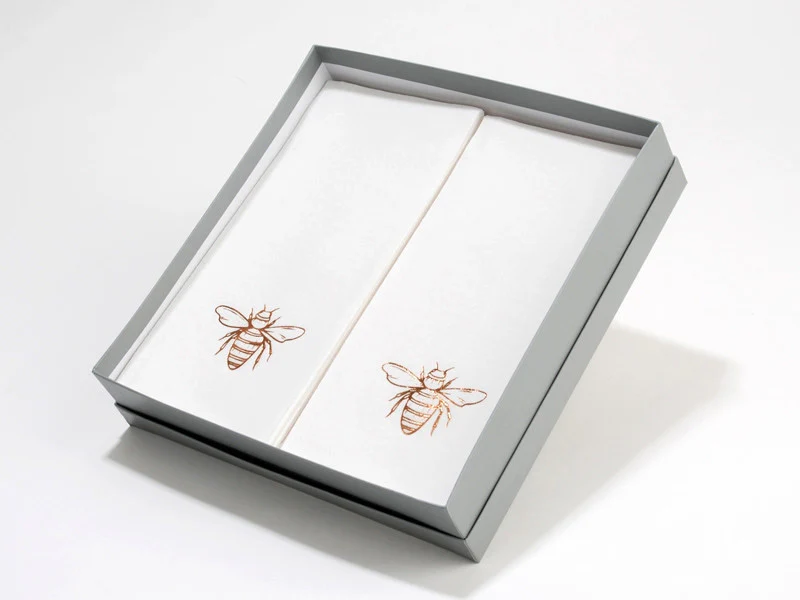
Over time, paper guest towels became available in a variety of designs, allowing hosts to offer a touch of luxury and thoughtfulness to their guests. Monograms, intricate patterns, and quality materials elevated the simple paper towel to an item of elegance and personal expression.
The Cultural Significance of Guest Towels
In many cultures, offering a guest a clean towel is a sign of hospitality and respect. This custom extended to paper guest towels, which offer a hygienic and convenient option for guests.
A Reflection of Societal Values
The use of paper guest towels reflects societal values around cleanliness and the importance of caring for guests. They also speak to the modern desire for ease and disposability, especially during large gatherings where laundering dozens of cloth towels would be impractical.
Environmental Considerations
With the rise of environmental awareness, the paper guest towel has faced scrutiny. The balance between convenience and sustainability is a modern challenge, encouraging both manufacturers and consumers to consider recycled materials and other eco-friendly practices.
The Manufacturing Process
The process of creating paper guest towels involves several steps, from pulping to printing decorative designs. The quality of the paper, its absorbency, and its softness are key factors in producing a luxury item.
Advances in Production Technology
Modern manufacturing processes have allowed for greater efficiency and the ability to produce more intricate and colorful designs on paper guest towels. This has made them more appealing for special occasions like Christmas.
Paper Guest Towels Today
Today, paper guest towels are a ubiquitous part of the hospitality experience, especially during the holidays. They can be found in homes, hotels, and restaurants, serving both a practical and decorative purpose.
A Staple in Modern Entertaining
Paper guest towels have become a staple in modern entertaining. They are an easy way to add a touch of class and cleanliness to any gathering without the added laundry after the event.
The Balance of Tradition and Convenience
While some may argue that cloth towels are more traditional and eco-friendly, the convenience of paper guest towels cannot be denied, especially when hosting a large number of guests.
The Future of Paper Guest Towels
As we look to the future, the paper guest towel industry will likely continue to evolve. Biodegradable and recycled options are becoming more prevalent, appealing to the environmentally conscious consumer without sacrificing the convenience that paper towels offer.
Innovations and Trends
Innovations in the industry may include towels made from alternative fibers or those that incorporate technology for added hygiene benefits. Trends in design will continue to reflect current aesthetics and seasonal themes, ensuring that paper guest towels remain a festive and functional element of hospitality.
The Continued Debate: Paper vs. Cloth
The debate between the use of paper and cloth towels will likely persist. The choice often comes down to personal preference, the scale of the event, and environmental considerations.
Conclusion
Paper guest towels have a rich history that mirrors the evolution of paper itself. From their origins in ancient China to their place in modern bathrooms and dining tables, these towels have become a symbol of cleanliness and hospitality. As we continue to navigate the balance between convenience and sustainability, paper guest towels will likely remain a fixture in our lives, especially during festive seasons like Christmas.
Whether adorned with Christmas trees or embossed with elegant monograms, paper guest towels tell a story of cultural values, technological progress, and the enduring importance of taking care of our guests. As we look forward to future innovations, the legacy of the paper guest towel as a hallmark of hospitality is sure to continue.