Whether you’re setting the table for a special occasion or just looking to spruce up your daily dining experience, incorporating patterned paper napkins can add a much-needed pop of style and personality to your tablescape. With an array of designs to choose from, patterned napkins offer an easy and affordable way to elevate your table setting. In this article, we’ll explore the charm of decorative napkins and how to select and use them to their fullest potential.
Why Choose Patterned Paper Napkins?
The use of patterned paper napkins goes beyond their practical function of keeping diners clean. They serve as a key element in table decor, adding color, texture, and theme to your dining experience.
Versatility in Design
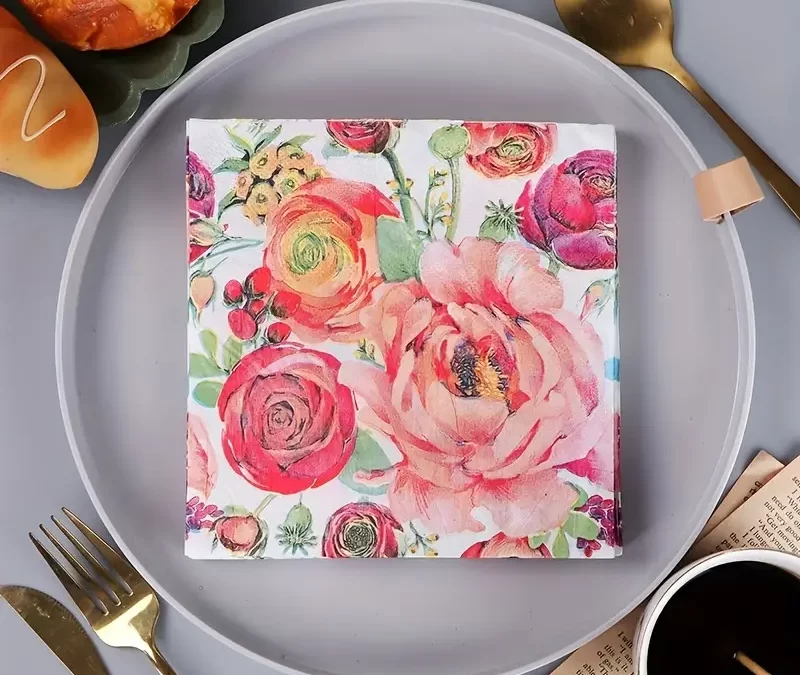
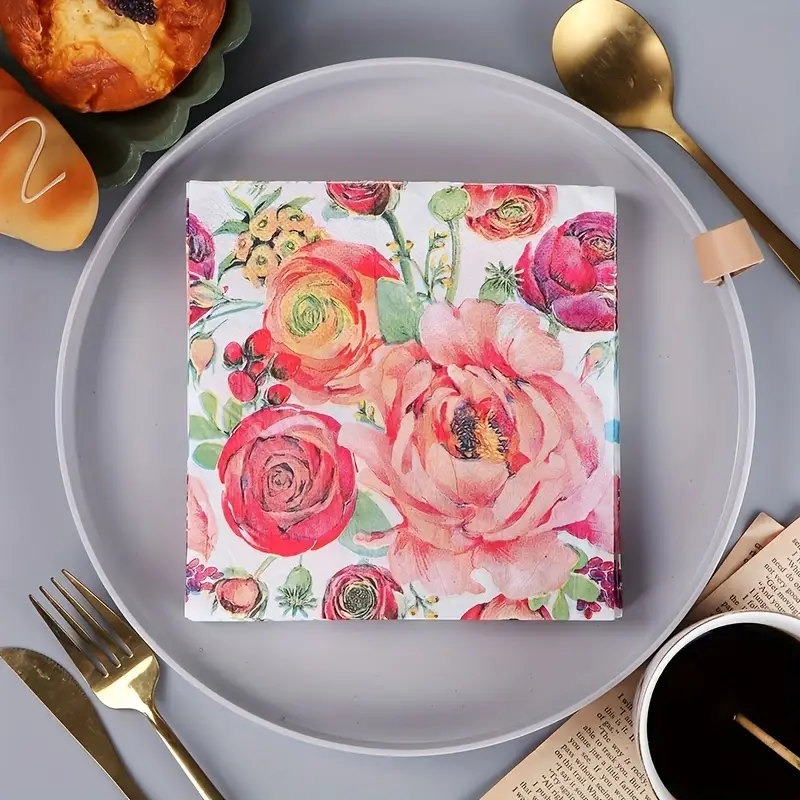
One of the main benefits of patterned napkins is the vast array of designs available. From floral prints and geometric shapes to seasonal motifs and artistic illustrations, there’s a pattern for every occasion and taste. This versatility allows you to complement your existing tableware or create a completely new look with just a simple addition.
Eco-Friendly and Convenient
With a growing focus on sustainability, many manufacturers now offer eco-friendly options made from recycled materials or sourced from responsibly managed forests. Additionally, paper napkins provide the convenience of easy cleanup – a perfect solution for busy hosts who want to minimize post-party chores.
Affordability
Decorative paper napkins are a cost-effective way to add elegance to your table without breaking the bank. They offer the opportunity to experiment with different styles and themes without committing to expensive cloth napkins that require regular laundering.
Selecting the Right Patterned Napkins
Choosing the perfect patterned napkins involves considering the occasion, the rest of your tableware, and the overall atmosphere you want to create.
Consider the Occasion
The nature of the event should guide your choice of napkin patterns. For formal dinners, you might opt for subtle patterns that exude sophistication. Casual gatherings, on the other hand, can handle bolder, more colorful designs. Seasonal and holiday-themed napkins are perfect for adding a festive touch to your table.
Complementing Your Tableware
To achieve a cohesive look, select napkins that complement your existing tableware. If your dishes and tablecloth are patterned, choose napkins with a simpler design to avoid overwhelming the senses. Conversely, if your table setting is more understated, patterned napkins can be the star of the show.
Setting the Atmosphere
The patterns you choose can also set the mood for your meal. Light and airy designs can create a relaxed, breezy atmosphere, while more intricate patterns may lend a sense of formality and grandeur.
Creative Ways to Use Patterned Paper Napkins
Beyond simply placing them next to the plate, there are numerous ways to showcase your decorative napkins.
Napkin Folding Techniques
Get creative with napkin folding to add an extra touch of elegance. Even the simplest fold can make a big impact, especially when the napkin features a striking pattern.
As a Centerpiece
Fold or arrange several napkins in a basket or tray to create an eye-catching centerpiece that doubles as a convenient dispenser for guests.
DIY Decor
Use patterned paper napkins for DIY projects like decoupage on candle holders or creating bunting for a party. Their versatility extends far beyond the dining table.
Incorporating Napkins into Themed Tablescapes
Patterned paper napkins can be integral in bringing a themed tablescape together. Whether you’re aiming for a rustic vibe, an elegant soirée, or a whimsical tea party, the right napkins can tie all elements of your table setting together.
Seasonal and Holiday Themes
Use napkins with seasonal patterns or holiday motifs to celebrate the time of year. Pumpkins and leaves for autumn, snowflakes and holly for winter – the possibilities are endless.
Color-Themed Parties
For color-themed parties, select napkins that match or complement your chosen palette. This ensures a consistent and harmonious look throughout your decor.
Special Occasions
Mark special occasions like birthdays, anniversaries, or showers with napkins that reflect the significance of the event. Patterns with numbers, congratulatory messages, or baby-related designs can make the event even more memorable.
Patterned Paper Napkins Etiquette
While paper napkins are less formal than their cloth counterparts, there is still etiquette to consider when using them.
Placement
Napkins are traditionally placed to the left of the fork or on the center of the dinner plate. However, you can get creative with placement, especially if you’re folding them into unique shapes or using them as part of the decor.
Usage
Encourage guests to use their napkins by gently unfolding them at the start of the meal. This sets a relaxed tone and makes it clear that the napkins are not just for show.
Disposal
Provide a clear spot for guests to place used napkins at the end of the meal. A small basket or a designated area on the table can be helpful.
To keep your patterned paper napkins looking their best, proper storage is key.
Avoid Moisture and Sunlight
Store your patterned paper napkins in a cool, dry place away from direct sunlight to prevent fading and moisture damage.
Keep Them Flat
Avoid creasing or crushing paper napkins by storing them flat. Use a napkin holder or a dedicated drawer to keep them in pristine condition.
Rotate Your Collection
If you have a large collection of napkins, rotate their use to prevent any from yellowing or becoming outdated before they are used.
Conclusion
Patterned paper napkins are a simple yet effective way to add style and personality to any table setting. With the right selection and a bit of creativity, you can transform your dining experience and impress your guests. Remember to consider the occasion, complement your tableware, and use napkins to enhance your chosen theme. With these tips in mind, you’re ready to elevate your tablescape with the perfect pop of patterned style.
When it comes to setting tables for various events or ensuring hygiene in everyday life, paper napkins have become an essential item in both households and commercial establishments. With a myriad of options available, selecting a reliable paper napkin manufacturer can be a daunting task. In this article, we will explore the leading paper napkin business, their offerings, and what sets them apart in the paper napkin industry. Whether you’re hosting a grand event or stocking up for your restaurant, knowing where to source quality paper napkins can make all the difference.
The Importance of Quality Paper Napkins
Paper napkins are not just a convenience; they play a crucial role in maintaining cleanliness and enhancing the dining experience. High-quality paper napkins are soft, absorbent, and durable, making them perfect for wiping away spills and cleaning hands and faces. For businesses, offering superior paper napkins reflects a level of care and attention to detail that customers appreciate.
What to Look for in Paper Napkin Suppliers
When assessing paper napkin suppliers, consider their reputation, the variety of products they offer, and their commitment to sustainability. A good supplier will provide a range of napkin sizes, colors, and designs to cater to different occasions and customer preferences. Additionally, with growing environmental concerns, many consumers prefer products that are responsibly sourced and manufactured with eco-friendly practices.
Top Paper Napkin Manufacturer
Each paper napkin company brings something unique to the table. Below are some of the leading paper napkin manufacturers known for their quality products and innovative designs.
Company A: The Eco-Conscious Choice
Company A stands out for its commitment to sustainability. They produce napkins made from 100% recycled materials and use environmentally friendly dyes. Their product line includes napkins for everyday use, special occasions, and customized options for branding purposes.
Company B: The Luxury Linen Alternative
Company B specializes in premium paper napkins that mimic the feel and texture of linen. Their high-end napkins are a favorite for weddings, corporate events, and upscale dining establishments that desire the elegance of linen without the hassle of laundering.
Company C: The Custom Design Pioneer
Known for their innovative printing techniques, Company C offers a wide range of customization options for their paper napkins. They cater to businesses looking to promote their brand or individuals wanting personalized napkins for events such as birthdays and anniversaries.
Company D: The Bulk Supplier
For customers seeking value without compromising quality, Company D offers a variety of paper napkins in bulk. They are a go-to for restaurants, catering services, and event planners who require large quantities of reliable and cost-effective napkins.
Behind the Scenes: The Paper Napkin Manufacturer
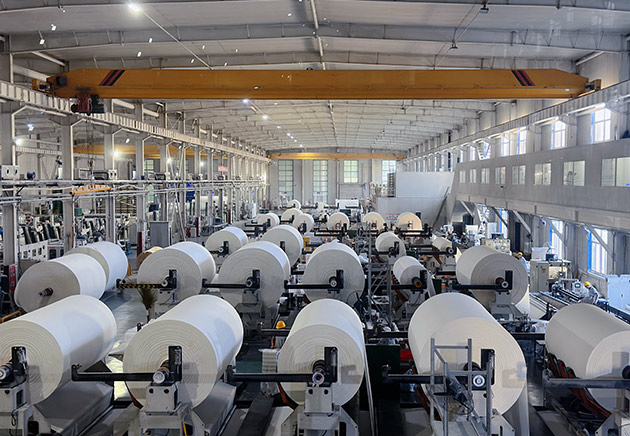
Understanding the paper napkin manufacturing process can provide insight into the quality of the products. A typical paper napkin factory involves several stages, from raw material selection to printing and packaging.
The Production Process
Raw Material Selection: High-quality paper napkins start with the choice of raw materials. Manufacturers often use a mix of virgin and recycled paper fibers to create a strong, absorbent product.
Pulping and Bleaching: The paper fibers are pulped, and any impurities are removed. If necessary, the pulp is bleached to achieve a clean, white base for colored or patterned napkins.
Drying and Embossing: The pulp is pressed and dried into thin sheets. During this stage, textures or patterns can be embossed onto the napkins to enhance their visual appeal and improve absorbency.
Printing: If the napkins will have designs, logos, or text, they are printed using food-safe inks.
Cutting and Folding: The large sheets of paper are cut into napkin-sized squares and folded into the desired shape and size.
Packaging: Finally, the napkins are packaged for distribution, often in plastic or paper wrapping to protect them from moisture and dirt.
Quality Control Measures
A reputable paper napkin factory will have stringent quality control measures in place to ensure that each batch of napkins meets their standards. This includes checks for strength, absorbency, color consistency, and overall appearance.
Choosing the Right Paper Napkin for Your Needs
When selecting paper napkins for your business or event, consider the following factors:
Occasion: The type of event will dictate the style and quality of napkin needed. High-end events may require more luxurious options, while casual gatherings can use standard, functional napkins.
Budget: Determine how much you’re willing to spend on paper napkins. Higher-quality napkins may cost more, but they can elevate the guest experience.
Customization: If branding or personalization is important, look for manufacturers that offer custom printing services.
Sustainability: For eco-conscious consumers, seek out suppliers who prioritize environmentally friendly manufacturing processes and materials.
The Future of Paper Napkin Businesses
The paper napkin market is evolving, with trends pointing towards personalized and sustainable options. As consumers become more environmentally and socially conscious, manufacturers are adapting by offering products that meet these values. Innovations in recyclable materials, biodegradable options, and reductions in water and energy use during production are shaping the future of the paper napkin industry.
Conclusion
Paper napkins are a staple in many aspects of daily life, from dining to cleanliness. The leading paper napkin manufacturer offer a range of products to suit every occasion and budget, with a growing emphasis on sustainability and customization. By choosing a reputable supplier, you can ensure that your paper napkins are not only functional but also contribute positively to the overall experience of your customers or guests.
Whether you’re a business owner sourcing napkins for your operations or an individual planning a special event, understanding the offerings and capabilities of top paper napkin companies can help you make an informed decision. The right paper napkins can add a touch of class, convenience, and hygiene to any setting, proving that even the smallest details can make a significant impact.
In any industrial setting, maintaining cleanliness and dealing with spills quickly and effectively is paramount. This is where industrial paper towel rolls come into play. They are a staple in factories, workshops, and other industrial environments, but what exactly are they and how do they differ from the paper towels we use at home? In this article, we will explore the features, uses, and benefits of industrial paper towel rolls, and why they are essential in industrial settings.
Understanding Industrial Paper Towel Rolls
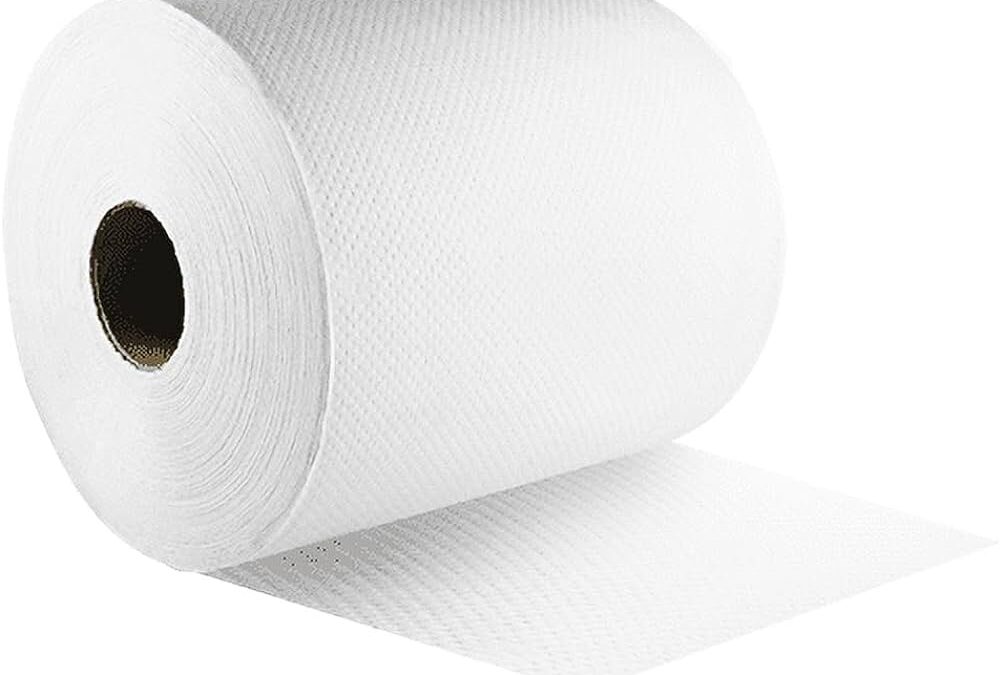
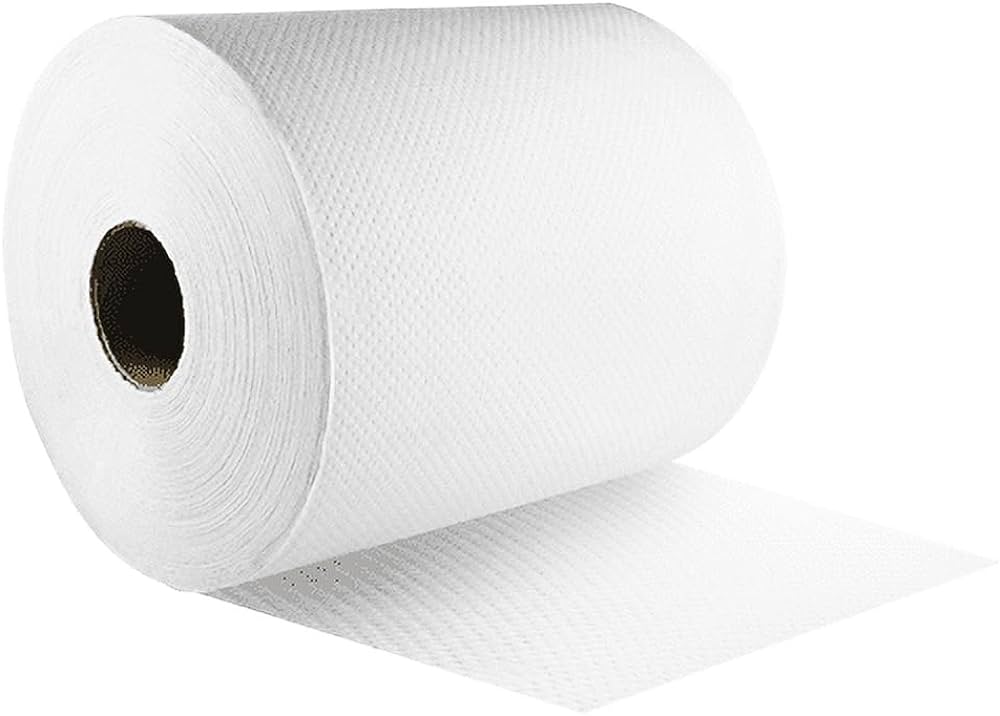
Industrial paper towel rolls are high-capacity, highly absorbent paper towels designed for heavy-duty cleaning tasks. Unlike the regular paper towels found in kitchens and bathrooms, industrial paper towels are built to withstand tough conditions and handle larger volumes of liquid or dirt.
The Composition of Industrial Paper
Industrial paper towels are generally made from stronger fibers that are either virgin or recycled. The paper is often thicker and more durable, which makes it suitable for cleaning up oil, grease, water, and other industrial solvents. The absorbency of industrial paper towel rolls is also a key feature, as they need to pick up and retain a considerable amount of liquid without falling apart.
Sizes and Formats
Industrial paper towel rolls come in various sizes and formats to accommodate different industrial needs. Some rolls are designed to fit into wall-mounted dispensers for easy access and use, while others may be larger and used directly from the roll for bigger clean-up tasks.
Industrial vs. Consumer Paper Towels
Durability and Absorbency
The primary difference between industrial and consumer paper towels lies in their durability and absorbency. Industrial paper towels are engineered to be more robust to handle the rigorous demands of an industrial environment, making them an indispensable tool for workers.
Cost-Effectiveness
Industrial paper towel rolls are also designed to be more cost-effective for businesses. They are usually sold in bulk, reducing the cost per sheet compared to standard paper towels. Additionally, their increased efficiency in cleaning up spills means less product is needed, further reducing costs over time.
Applications of Industrial Paper Towel Rolls
Industrial paper towel rolls are versatile and can be used in a variety of settings. Here are some common applications:
Cleaning Industrial Machinery
Heavy machinery can leak oil or other fluids, and industrial paper towels are perfect for wiping down and maintaining these expensive pieces of equipment.
Dealing with Spills
Spills are inevitable in industrial settings, and having paper rolls handy helps address them swiftly, reducing the risk of accidents or damage to products.
General Surface Cleaning
From workbenches to floors, industrial paper towel rolls can be used to clean virtually any surface, ensuring that work environments are kept clean and safe.
Benefits of Using Industrial Paper Towel Rolls
Enhanced Safety
By promptly dealing with spills and maintaining clean work areas, industrial paper towel rolls contribute to a safer working environment, reducing the likelihood of slips and falls.
Improved Efficiency
Easy access to paper towels means that workers can quickly clean up messes and get back to work, improving overall productivity.
Environmental Considerations
Many industrial paper towel rolls are made from recycled materials, helping businesses reduce their environmental footprint.
Selecting the Right Industrial Paper Towel Rolls for Your Business
When choosing industrial paper towel rolls, consider the following factors:
Absorbency Needs
Depending on the types of liquids commonly encountered in your industry, you’ll want to select a paper towel with the appropriate absorbency level.
Dispenser Compatibility
Ensure that the paper towel rolls you select are compatible with any dispensers you have in your facility.
Budget
Balance the need for quality with your available budget. While cost is a consideration, investing in higher-quality towels can save money in the long run due to their efficiency and durability.
Maintenance and Storage of Paper Towels
Proper Storage Practices
Store your industrial paper towel rolls in a dry, clean environment to prevent contamination and ensure they are ready for use when needed.
Dispenser Maintenance
Regularly check and maintain any dispensers to keep them functioning properly and make accessing the paper towels hassle-free.
Conclusion
Industrial paper towel rolls are a crucial component in maintaining cleanliness and safety in any industrial setting. They offer durability, absorbency, and cost-effectiveness that consumer-grade paper towels cannot match. By understanding the features and benefits of these paper towels, businesses can make informed decisions on the right products to support their operations.
Remember that while they are a simple product, the impact of having high-quality industrial paper towel rolls available can be significant, contributing to a safer, more efficient, and cleaner working environment.
Selecting the right paper towels and maintaining them properly will ensure that they serve their purpose effectively, helping your business to keep running smoothly and safely.
In the world of cleaning and maintenance, not all paper towels are created equal. For tougher jobs and messes that ordinary paper towels can’t handle, heavy duty paper towels come to the rescue. But what exactly makes them heavy duty, and how do you choose the right one for your needs? In this article, we will explore the features, benefits, and uses of heavy duty paper towels.
What Makes Paper Towels “Heavy Duty”?
heavy duty paper towels
Heavy duty paper towels are designed to be stronger, more absorbent, and more durable than regular paper towels. They are typically made from a denser material, which allows them to withstand rigorous scrubbing and soaking without falling apart. This makes them ideal for more demanding tasks in both commercial settings and busy households.
The Fabric of Toughness
The material of heavy duty paper towels often contains a blend of softwood and hardwood fibers. Softwood fibers, coming from trees like pine or fir, provide the towel with its strength and resilience. Hardwood fibers, such as those from eucalyptus or oak, give the paper its softness and absorbency. The combination of these fibers results in a towel that can tackle substantial messes without disintegrating.
Weight and Ply
One of the primary indicators of a paper towel’s strength is its weight and ply. Ply refers to the number of layers that are pressed together to make a single sheet of paper towel. Heavy duty paper towels are usually two-ply or higher, which significantly contributes to their ability to hold up under pressure.
Benefits of Using Heavy Duty Paper Towels
Heavy duty paper towels offer several advantages over their thinner counterparts. They are not only more effective in cleaning up spills and stains but also offer cost-efficiency due to their durability.
Superior Absorbency and Strength
The higher absorbency rate of heavy duty paper towels means they can pick up more liquid with fewer sheets. This absorbency, coupled with their strength, allows them to be used for wiping up substantial spills or for scrubbing away stains without tearing.
Cost-Effective and Efficient
While heavy duty paper towels may come at a higher upfront cost compared to regular paper towels, their durability means you’ll use fewer sheets over time. This can lead to cost savings and a reduction in waste, making them a more efficient option for both homes and businesses.
Versatility in Use
From cleaning up grease in a mechanic’s workshop to wiping down surfaces in a commercial kitchen, heavy duty paper towels are versatile. They can be used in a variety of settings where ordinary paper towels would falter.
Common Uses for Heavy Duty Paper Towels
Heavy duty paper towels have a wide range of applications. Here are just a few scenarios where they excel:
Industrial and Commercial Environments
In environments such as restaurants, manufacturing plants, and auto repair shops, messes are often too challenging for regular paper towels. Heavy duty options are essential for cleaning up oil, grease, and other industrial substances.
Household Cleaning
For homeowners who take on projects like painting or deep-cleaning, heavy duty paper towels are a must-have. They can wipe away tough grime and spills without leaving behind lint or residue.
Outdoor Activities
Whether it’s a barbecue or a camping trip, outdoor activities can get messy. Heavy duty paper towels can handle the rugged demands of outdoor use, from cleaning grills to wiping down picnic tables.
When selecting heavy duty paper towels, consider the following factors to ensure you get the best product for your needs:
Absorbency and Ply
Check the absorbency rate and ply count. The higher the absorbency and ply, the more likely the towel will stand up to heavy-duty cleaning tasks.
Roll Size and Sheet Count
Consider the size of the roll and the number of sheets it contains. Larger rolls with more sheets will last longer and can be more cost-effective in the long run.
Dispenser Compatibility
If you’re using heavy duty paper towels in a commercial setting, make sure they are compatible with your existing dispensers to avoid any inconvenience.
Eco-Friendliness
Some heavy duty paper towels are made from recycled materials or are designed to be more biodegradable. If environmental impact is a concern, look for options that align with your sustainability goals.
Heavy Duty Paper Towel Holders
A heavy duty paper towel holder is an essential accessory for managing these robust towels. It needs to be sturdy enough to handle the extra weight and size of heavy duty paper towel rolls.
Wall-Mounted Holders
Wall-mounted holders save space and can often support larger rolls. They keep paper towels within easy reach and are commonly found in both commercial kitchens and garages.
Countertop Holders
For convenience and portability, countertop holders are a popular choice. They can be moved as needed and are perfect for homes, offices, or small businesses.
Industrial Holders
In industrial settings, heavy duty holders may have features like shields to protect the paper towels from splashes or contaminants, ensuring that the towels remain clean and dry until needed.
Conclusion
Heavy duty paper towels are a robust solution for cleaning up tough messes that standard paper towels can’t handle. They offer unparalleled strength, absorbency, and durability, making them a valuable tool in a wide range of settings. By understanding their benefits and knowing how to select the right product, you can ensure that when the going gets tough, your paper towels won’t let you down.
Whether you’re dealing with a greasy stovetop at home or a spill in an industrial warehouse, heavy duty paper towels are up to the challenge. Paired with the right holder, they’ll be a convenient and reliable part of your cleaning arsenal for all of life’s messy situations.
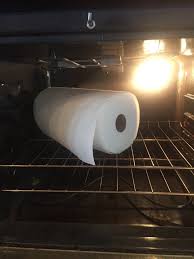
In the bustling world of home cooking and kitchen hacks, one question that pops up more often than one might think is: can paper towels go in the oven? It seems like a simple query, but the answer is layered and critical for kitchen safety. As we embark on this culinary exploration, let’s dissect the usage of kitchen paper towels and the implications of putting them in the oven.
Understanding Kitchen Paper Towels
Before we dive into the oven debate”Can paper towels go in the oven?”, it’s essential to understand what kitchen paper towels are made of and their intended purpose.
The Composition of Paper Towels
Kitchen paper towels are a staple in many households for their absorbent and disposable nature. They are generally made from cellulose fibers, which include wood pulp, and are designed to pick up spills and messes efficiently. This convenience, however, does not translate to heat resistance.
The Purpose of Paper Towels in the Kitchen
Paper towels serve multiple purposes in the kitchen; from wiping down counters to drying washed vegetables. Their versatility makes them a go-to for various tasks, but it’s important to recognize their limitations, especially when it comes to heat.
The Risks of Heating Paper Towels
When considering whether paper towels can go in the oven, it’s crucial to address the risks involved with exposing them to high temperatures.
Combustion and Fire Hazards
The primary concern with placing paper towels in the oven is the potential for combustion. Paper ignites at around 451 degrees Fahrenheit (233 degrees Celsius), and while most cooking is done below this temperature, there is still a risk of fire, especially if the oven’s temperature is accidentally set higher or the paper towels are in contact with heating elements.
Chemical Release and Food Safety
Another risk involves the possibility of chemicals in the paper towels being released when heated. While kitchen paper towels are typically food-safe at room temperature, heating them could cause the release of chemicals or dyes that are not meant to be ingested.
Alternatives to Using Paper Towels in the Oven
Given the risks, it’s prudent to seek alternatives for the tasks you might consider using paper towels for in the oven.
Parchment Paper and Aluminum Foil
For lining baking sheets or wrapping food, parchment paper and aluminum foil are safer choices. They are specifically designed to withstand oven temperatures and do not pose the same fire risk as paper towels.
Silicone Mats and Oven-Safe Racks
Silicone baking mats and oven-safe racks offer reusable and heat-resistant options for tasks that might otherwise tempt you to use paper towels in the oven. These alternatives are not only safer but also environmentally friendly.
Instances Where Paper Towels and Heat May Intersect
Despite the risks, there are certain controlled scenarios where paper towels may encounter heat in the kitchen.
Microwave Use
It’s common to cover food with a paper towel when microwaving to prevent splatters. Microwaves heat food differently than ovens, and paper towels are generally considered safe for this use—though it’s always best to use microwave-safe products as directed.
Keeping Food Warm
Some people may place paper towels over food to keep it warm after it has been removed from the oven. In this case, the paper towel isn’t exposed to direct heat but rather to the residual warmth of the food, which is typically safe.
Safety Tips for Using Paper Towels in the Kitchen
While you should avoid placing paper towels in the oven, there are ways to use them safely in the kitchen.
Keep Paper Towels Away from Heat Sources
Always keep paper towels away from stovetops, ovens, and other heat sources to prevent fires. This includes avoiding placing them on a hot surface or near an open flame.
Use Paper Towels as Intended
Stick to the intended uses of paper towels—drying, wiping, and absorbing. Remember that they are not substitutes for oven-safe materials.
Always Supervise
When cooking or baking, never leave your kitchen unattended. This general rule of thumb is crucial for preventing kitchen fires and accidents.
Best Practices for Oven Safety
To ensure a safe cooking environment, here are best practices to follow that go beyond the use of paper towels.
Regular Oven Maintenance
Keep your oven clean and in good repair. Accumulated grease and food debris can pose a fire hazard, and a malfunctioning oven can be dangerous.
Use Appropriate Bakeware
Always use bakeware and utensils that are suitable for oven use. If uncertain, check the manufacturer’s guidelines for temperature limits and usage.
Stay Informed and Prepared
Be aware of the materials you’re using in the kitchen and their safety guidelines. Additionally, have a fire extinguisher readily available and know how to use it in case of an emergency.
Conclusion
The answer to whether paper towels can go in the oven is a resounding no. The risks associated with combustion, chemical release, and food safety make it an unsafe practice. Instead, opt for materials that are designed for high-heat scenarios, like parchment paper, aluminum foil, silicone mats, and oven-safe racks.
By adhering to kitchen safety protocols and using appropriate alternatives, you can ensure a safer cooking experience. Remember, it’s always better to err on the side of caution and keep paper towels out of the oven.