When it comes to supplying toilet paper for businesses, understanding how long a roll of toilet paper should last is essential for cost-efficiency and effective inventory management. Whether you manage a hotel, restaurant, office, or healthcare facility, knowing the usage trends can help you make informed purchasing decisions. In this article, we’ll dive deep into the factors that influence the lifespan of a toilet paper roll, answer common questions, and offer insights for bulk buyers.
1. How Long Should a Roll of Toilet Paper Last?
The answer depends on several factors such as the number of people using the facilities, the quality and size of the toilet paper, and the average usage per person. On average, one roll of toilet paper should last a household of four people about 5-7 days. For businesses with higher traffic, such as restaurants or office buildings, a roll may only last 1-2 days or even a few hours.
2. How Long Does a Roll of Toilet Paper Last in a Commercial Setting?
In commercial settings like offices or restaurants, the usage rate is much higher than in households. Typically, a roll of toilet paper can last between 8 to 24 hours, depending on the number of visitors and employees. High-traffic restrooms will go through rolls much faster, requiring frequent replacements.
3. How Much Toilet Paper Does One Person Use Per Month?
The average person uses around 2-4 rolls of toilet paper per month. This translates to approximately 50-100 sheets per day. For B2B clients, understanding this metric helps in estimating the total number of rolls needed for your facility.
On average, one person uses about 100-120 rolls of toilet paper per year. This estimation includes variations in usage due to individual habits and product type. For businesses looking to purchase toilet paper in bulk, multiplying this figure by the number of employees or visitors can give a clearer picture of yearly consumption.
5. How Much Toilet Paper Does the Average Person Use?
The average person uses approximately 57 sheets of toilet paper per day. This figure can vary based on personal habits and the number of sheets used per wipe. Understanding this helps B2B buyers plan better, especially when catering to a large group.
6. How Many Rolls of Toilet Paper Per Person Per Week?
Generally, one person uses about 1-2 rolls of toilet paper per week. For business owners, this number is crucial when estimating the frequency of replacing toilet paper rolls in public restrooms or employee facilities.
7. How Many Sheets of Toilet Paper Per Wipe?
On average, people use around 5-7 sheets of toilet paper per wipe. This figure can vary based on personal preference and the thickness or ply of the toilet paper. For B2B clients, choosing toilet paper with more sheets per roll or higher-quality, thicker sheets can reduce overall consumption.
Factors That Affect the Longevity of a Toilet Paper Roll
Quality and Ply: The higher the ply (thickness) of the toilet paper, the fewer sheets are typically needed per use. As a result, premium quality paper tends to last longer, even though it may seem more expensive initially.
Number of Users: More users mean faster consumption. High-traffic businesses need to account for this when estimating their toilet paper needs.
Sheet Count: Rolls with a higher sheet count last longer. It’s advisable for B2B buyers to check the sheet count per roll when purchasing in bulk.
Restroom Habits: Some users tend to take more sheets than others, affecting how quickly a roll is used up. Offering dispensers that limit the number of sheets dispensed per pull can help control usage.
Tips for B2B Buyers: How to Optimize Toilet Paper Usage
Invest in Quality: Although high-quality toilet paper might seem more expensive, it often results in less waste, making it cost-effective in the long run.
Monitor Usage: Keep track of how long each roll lasts in different restrooms. This data can help you forecast future needs more accurately.
Use Dispensers: Implementing toilet paper dispensers that control the number of sheets dispensed can reduce excessive usage.
Bulk Buying: Purchase in bulk to save costs. Look for suppliers that offer discounts for larger quantities.
Conclusion
Understanding how long a roll of toilet paper should last can significantly impact your business’s operational efficiency and cost management. By considering factors like the number of users, product quality, and sheet count, you can better estimate your supply needs and ensure that you always have enough stock on hand.
For B2B buyers, choosing the right supplier is crucial. Opting for a reliable tissue manufacturer can make all the difference in providing consistent quality and meeting your bulk purchasing requirements. Remember, investing in the right toilet paper solutions not only enhances user experience but also saves money in the long run.
Ready to stock up? Reach out to us today to learn more about our wide range of toilet paper products designed for commercial use.
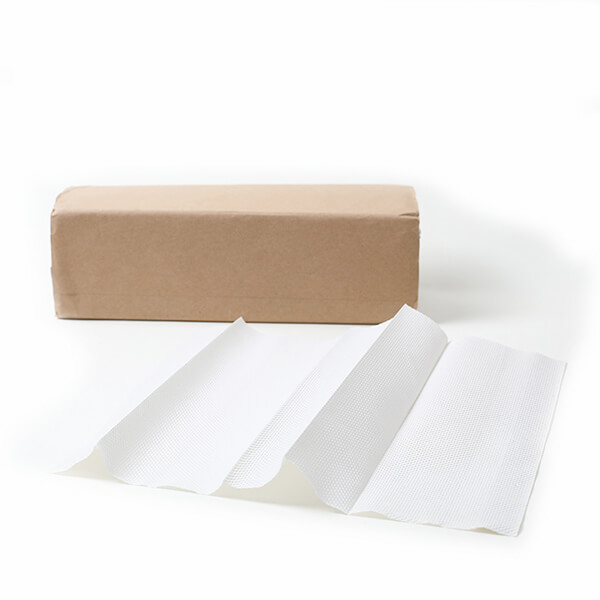
Maintaining hygiene in a restaurant is crucial, and one product that plays a significant role in achieving this is the C-fold hand paper towel. But what exactly are C-folds, how did they become so prevalent, and why are there so many different folded paper towel types?
c folds paper towels
A Brief History of C-Folds and Their Origins
The C-fold hand paper towel dates back to the early 20th century, around the same time that the concept of disposable paper towels was gaining popularity as a more hygienic alternative to cloth towels. The C-fold design quickly became a favorite in commercial settings, particularly restaurants, due to its practical, space-saving shape and ease of use.
As public awareness of hygiene grew, so did the demand for convenient, disposable solutions, leading to the invention of the C-fold towel. By the mid-20th century, C-folds were widely used in restaurants, schools, hospitals, and public restrooms, becoming an essential tool for maintaining cleanliness and preventing the spread of germs.
Where Are C-Folds Used the Most?
C-folds are commonly found in various countries around the world, especially in high-traffic, public areas. Some of the countries where C-folds are widely used include:
United States: Restaurants, cafes, schools, and office buildings frequently use C-folds due to their convenience and effectiveness in maintaining hygiene.
United Kingdom: C-folds are popular in restaurants, pubs, and hotels, where single-use paper towels are preferred for their hygiene and ease of disposal.
Australia: High standards of hygiene in foodservice settings make C-folds the go-to option for many restaurants and cafes.
Japan: While folded paper towels like C-folds are used in some settings, the country often favors hand dryers in public restrooms. However, C-folds remain a staple in restaurants and offices.
In each of these countries, the convenience, absorbency, and cost-effectiveness of C-fold towels make them the preferred choice for maintaining cleanliness.
Why Are There So Many Folding Methods?
The evolution of folded paper towels, including C-folds, V-folds, Z-folds, and multifold towels, reflects the need to meet different user requirements in terms of convenience, dispensing efficiency, and hygiene. Here’s a look at the most common folds:
C-Folds: The “C” shape was designed to fit into a dispenser easily, allowing one towel to be taken at a time. This reduces waste and makes them ideal for high-traffic areas. The C-fold is versatile and was one of the earliest popular folding methods, contributing to its widespread adoption.
V-Folds (Single Fold): This was likely the earliest folding method, designed as a simple, cost-effective solution. V-folds are folded once down the center, making them easy to produce and use, though they lack the interlocking feature found in other designs.
Z-Folds: Also known as “Zig-Zag” folds or “Interfolds,” this design ensures that when one towel is pulled, the next one is partially pulled out, making it easier to grab. This feature helps reduce waste, making Z-folds popular in settings where efficiency and hygiene are crucial.
Multifold Towels: As the name suggests, these towels are folded multiple times, allowing for compact storage and easy dispensing. They often feature interlocking folds, which help prevent multiple towels from being pulled out at once.
Historical Connection Between the Folding Methods
The evolution of these different folding methods reflects advancements in paper towel dispensing technology and a growing emphasis on reducing waste. The V-fold was the earliest, as it was the simplest and most straightforward design. Over time, more sophisticated folding methods like the Z-fold and C-fold were introduced to address the need for better dispensing control, reduced waste, and improved hygiene.
By the mid-20th century, C-folds became one of the most popular options due to their ease of use and adaptability to various dispensers. This versatility made C-folds a staple in many commercial settings, including restaurants, offices, and public restrooms.
Why Are C-Folds Still the Preferred Choice?
The C-fold hand paper towel has stood the test of time due to its adaptability, efficiency, and convenience. It is still widely used in restaurants because it strikes the right balance between absorbency, durability, and cost-effectiveness. This makes it an indispensable tool in maintaining hygiene, especially in high-traffic environments.
How to Choose the Right C-Folds for Your Restaurant
When selecting restaurant C-folds, consider:
Material: Opt for high-quality, absorbent paper towels. For environmentally conscious businesses, eco-friendly options made from recycled materials are available.
Size and Thickness: Choose towels that offer the right balance between absorbency and cost, depending on your restaurant’s needs.
Dispenser Compatibility: Ensure your C-folds are compatible with your existing dispensers to maintain a seamless experience for users.
Final Thoughts: The Value of C-Folds in a Restaurant
From their historical roots to their widespread use across the globe today, C-fold hand paper towels have proven to be an essential component of restaurant hygiene. Their convenience, absorbency, and cost-effectiveness make them a preferred choice for maintaining a clean environment, ensuring a positive experience for your customers.
By choosing quality restaurant C-folds, you can elevate your establishment’s hygiene standards and ensure a professional, sanitary environment that leaves a lasting impression.
When it comes to choosing the right type of hand towel for your business, it’s essential to understand the differences between a bathroom hand towel and a kitchen hand towel tissue. This knowledge will ensure that you provide the best experience for your customers, employees, or guests while also making cost-effective purchasing decisions. Let’s dive into the key distinctions and considerations.
1. What is a Hand Towel?
A hand towel is a small, versatile towel designed for drying hands. It’s commonly used in bathrooms and kitchens and can come in different forms, such as cloth or paper towels. While the concept of a hand towel might seem straightforward, choosing the right one for your business involves understanding its specific functions and variations.
2. Face Towel vs. Hand Towel
Many people confuse face towels with hand towels, but there’s a clear distinction. A face towel is usually smaller, soft, and intended for facial cleansing, while a hand towel is slightly larger and more absorbent, designed to dry hands. For businesses, selecting the right size and texture ensures better hygiene and comfort for users.
3. Bathroom Paper Hand Towel: A Must-Have for Hygiene
A bathroom paper hand towel is designed specifically for use in restrooms. It’s usually softer, more absorbent, and made to dry hands quickly, ensuring maximum hygiene. The convenience of disposable paper hand towels makes them a preferred choice in public bathrooms, as they help maintain a clean and germ-free environment. For B2B clients like hotels, restaurants, and office spaces, investing in high-quality bathroom paper hand towels is essential to create a pleasant experience for users.
4. Kitchen Hand Towel Tissue: The Practical Choice for Kitchens
On the other hand, kitchen hand towel tissues are built for more heavy-duty tasks. They need to handle grease, spills, and multiple uses in a kitchen setting. Compared to bathroom paper hand towels, kitchen hand towel tissues tend to be stronger and more durable. They’re ideal for wiping hands after handling food, cleaning up messes, and drying dishes.
5. Dish Cloth vs. Kitchen Towel: Understanding the Difference
While discussing kitchen towel tissues, it’s worth noting the difference between a dish cloth and a kitchen towel. A dish cloth is typically a smaller, more absorbent cloth used specifically for washing or drying dishes. In contrast, a kitchen towel is larger and has a wider range of uses, such as drying hands, wiping counters, or covering food. When selecting kitchen hand towel tissues, consider their intended function to ensure they meet your business’s needs.
6. Dish Towel vs. Hand Towel: Which One Is Right for Your Kitchen?
The terms “dish towel” and “hand towel” are often used interchangeably, but they serve different purposes. A dish towel is primarily meant for drying dishes or handling hot cookware, while a hand towel is designed for drying hands. For businesses in the foodservice industry, having both types on hand ensures that each task is handled efficiently and hygienically.
7. Dish Towel vs. Kitchen Towel: Is There a Difference?
Yes, there is a subtle difference between a dish towel and a kitchen towel. While dish towels are mainly used for drying dishes and glassware, kitchen towels are multi-purpose. They’re often thicker and can be used for a variety of tasks, including drying hands, cleaning spills, and covering food. This versatility makes kitchen towels an essential tool in busy commercial kitchens.
8. Kitchen Towel vs. Dish Cloth: Choosing the Right One
In a commercial kitchen, both kitchen towels and dish cloths play vital roles. However, their functions differ. A dish cloth is used to wash dishes and wipe down surfaces, while a kitchen towel is more absorbent and versatile, perfect for drying hands, utensils, and countertops. For B2B clients, selecting durable kitchen hand towel tissues can enhance efficiency and cleanliness in the workspace.
9. Tip Towels vs. Hand Towels: The Luxury Touch
“Tip towels” are a term often used in the hospitality industry to refer to smaller, more decorative hand towels, typically offered in high-end settings like hotels or restaurants. These towels provide a touch of luxury and sophistication, enhancing the overall guest experience. While they may be smaller than regular hand towels, they serve the same purpose and are perfect for adding elegance to your restroom or kitchen area.
Which One Should You Choose?
Choosing between a bathroom hand towel and a kitchen hand towel tissue ultimately depends on where and how it will be used. Here are some tips:
For Bathrooms: Opt for soft, absorbent bathroom paper hand towels that offer maximum hygiene and comfort. These should be easy to dispense and disposable for maintaining cleanliness.
For Kitchens: Choose durable, multi-purpose kitchen hand towel tissues that can handle spills, grease, and frequent use. They should be strong enough to withstand various tasks without tearing.
Key Takeaways
Functionality: Bathroom paper hand towels prioritize hygiene and absorbency, while kitchen hand towel tissues focus on durability and versatility.
Material: Kitchen towels often need to handle oil and messes, so they’re typically thicker and stronger than bathroom hand towels.
Usage: Different types of hand towels serve unique purposes, from drying hands to wiping dishes, so choose the one that matches your business needs.
By understanding the differences between bathroom and kitchen hand towel tissues, B2B clients can make informed decisions that improve hygiene, efficiency, and user experience in their facilities.
Need high-quality hand towel tissues for your business?Contact us today to explore our range of bathroom and kitchen hand towel tissues designed to meet your specific requirements!
Embossing, a decorative and functional technique, has become a key element in the design and production of toilet paper. It adds texture, improves functionality, and creates an aesthetic appeal that elevates everyday use. In this article, we’ll explore the process of embossing toilet paper, why it’s essential, and how it relates to both visual and practical improvements.
What is Embossing?
Embossing is the technique of creating raised patterns or designs on materials, including paper. This process is widely used to enhance the appearance and texture of various products, such as embossed tissue paper and toilet paper with flower imprints. These patterns not only make the paper more attractive but also improve the product’s grip and absorbency.
How to Emboss Paper
Embossing paper involves a combination of heat, pressure, and specially designed metal plates or rollers. In toilet paper embossing, the paper passes through embossing rollers that press a design into it. This creates raised patterns on the surface of theembossed toilet paper, adding texture and increasing its functionality.
For those interested in learning how to emboss paper by hand, the process requires a stencil or embossing folder, along with tools such as a stylus to manually apply pressure to the paper, creating raised designs. This technique is often used in crafts and DIY projects for cards, napkins, or custom packaging.
Embossing Tissue Paper
While embossing tissue paper may seem purely aesthetic, it also serves practical purposes. The raised patterns on the embossed tissue paper increase its strength and absorbency by trapping air between the layers, making the product softer and more effective for use. This is especially important in commercial products like toilet paper and embossed paper napkins.
The Role of Embossing in Toilet Paper
Embossing adds an element of luxury to patterned toilet paper, providing a unique look and feel. Many consumers prefer toilet paper with flower imprints or other elegant designs for its attractive appearance. Beyond aesthetics, embossing enhances the toilet paper’s grip, ensuring a more effective cleaning experience while using fewer sheets.
How to Emboss Paper Napkins
Embossing paper napkins is similar to toilet paper embossing but is often done on a smaller scale. To emboss paper napkins, manufacturers use embossed rollers to create designs that add both style and function to the product. Napkins with embossed designs are commonly used in high-end restaurants and for special events, where presentation matters.
Why Embossing Matters
From embossing tissue paper to adding intricate designs on patterned toilet paper, embossing plays a significant role in the paper industry. It not only improves the product’s durability and softness but also provides an attractive, premium appearance. Whether you’re choosing embossed toilet paper or creating hand-embossed crafts, this technique makes a noticeable difference.
One of the most surprising debates that has persisted for years is the question of whether toilet paper should be hung over or under. It seems like such a small decision, but for many, it’s a matter of daily importance. So, does toilet paper go over or under? Let’s dive into the pros and cons of both options and explore what it might say about your personality.
Toilet Paper Over: The Popular Choice
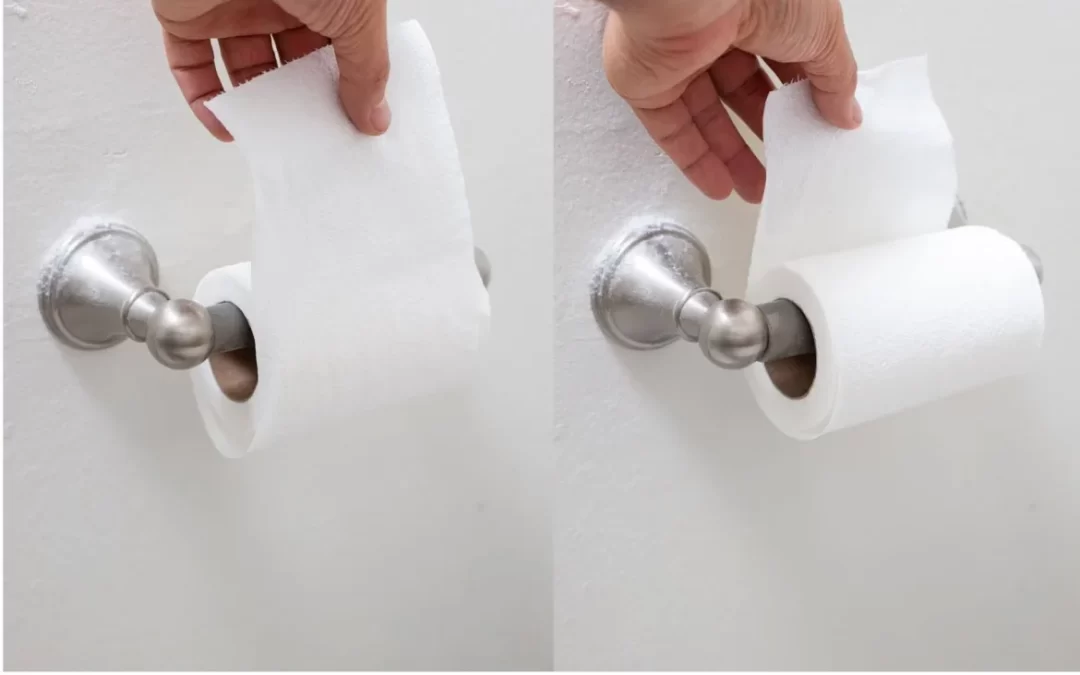
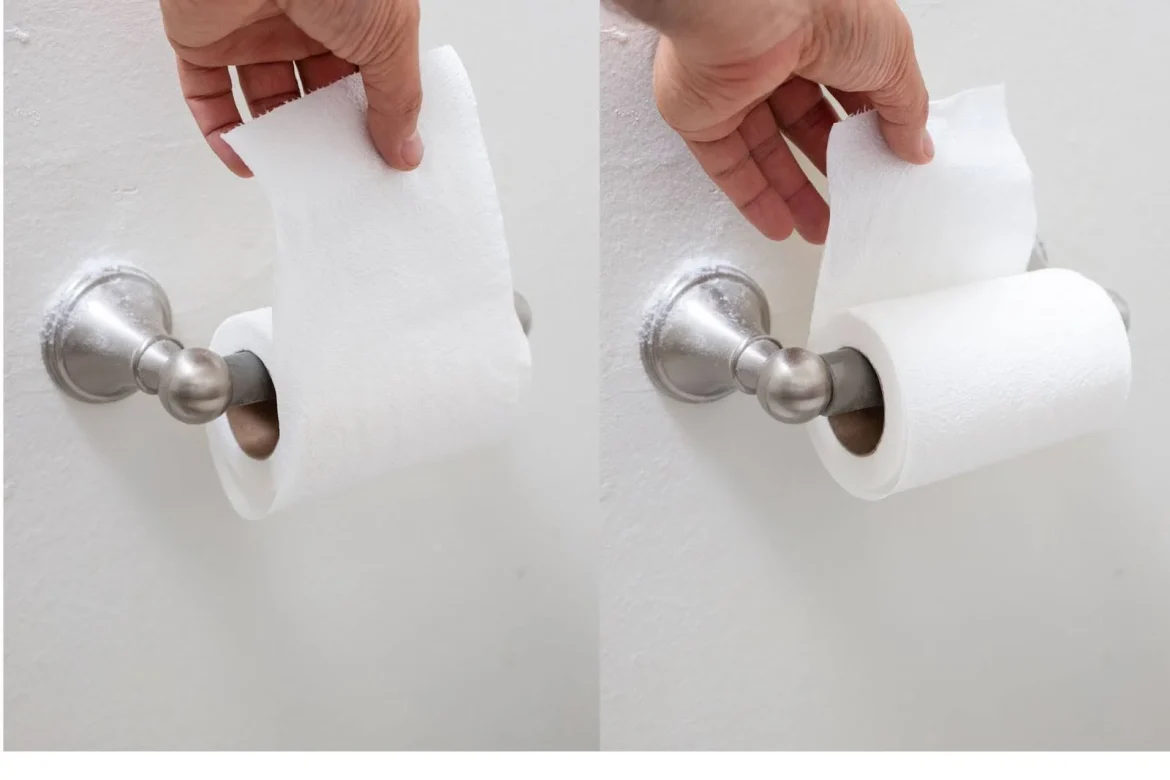
Hanging toilet paper “over,” where the loose end comes over the top of the roll, is often regarded as the more convenient option. Why? Because it’s easier to grab and tear off. Plus, it ensures that the paper stays clear of the wall, which can sometimes be seen as more hygienic.
For many people, the answer to “should toilet paper be over or under” is simple: over is the way to go. It’s not only easier to access but also tends to prevent accidental unrolling of the toilet paper. You’ve likely seen public restrooms, hotels, and even high-end venues follow this method.
Toilet Paper Under: A Different Perspective
On the other hand, some people prefer their toilet paper “under,” where the loose end of the roll hangs closer to the wall. While this method might not be as common, there are those who argue that it gives a tidier appearance, especially if you have pets or small children who might unroll the toilet paper. The “toilet roll under” approach can also be a space saver for smaller bathrooms, as it keeps the roll more compact.
The Toilet Paper Debate: What Does It Say About You?
Did you know that your preference for hanging toilet paper over or under could say something about your personality? According to some studies, those who prefer toilet paper over tend to be more organized and assertive, while the “under” group might be more relaxed and introverted. While these personality traits tied to the “toilet paper over or under personality” debate may not always be accurate, it’s a fun way to think about such a simple household task.
The Ongoing Toilet Roll Debate
The toilet paper roll over or under debate is not just about convenience or hygiene, but it can also become a humorous point of contention among friends and family. Whether you strongly believe that toilet paper should be over or are loyal to the toilet paper under approach, it’s clear that there is no one right answer. The important thing is to find what works best for your household.
Should Toilet Paper Be Over or Under?
Ultimately, should the toilet paper be under or over is a personal choice. However, for those in search of guidance, experts generally recommend the over method, as it’s more widely accepted and tends to be easier for guests to use. So, when you’re faced with the question, “does toilet paper go over or under,” you can feel confident knowing that either choice can work—just make sure it’s securely on the holder!
Looking for High-Quality Toilet Paper?
No matter how you hang your toilet paper, one thing remains certain: quality matters. At Shenzhen Anmay Paper Manufacturer, we pride ourselves on delivering top-quality toilet paper for homes, businesses, and public facilities worldwide. Whether you prefer your toilet roll over or under, we’ve got you covered with a variety of options to suit your needs. Check out our full range of products by visiting our homepage.